The WHO recommends at most 25 grams of free sugar a day, the average lies at three to four times that. Where the sugar comes from, what it does in the body and how to halve it in four weeks without giving up everything sweet.
In short
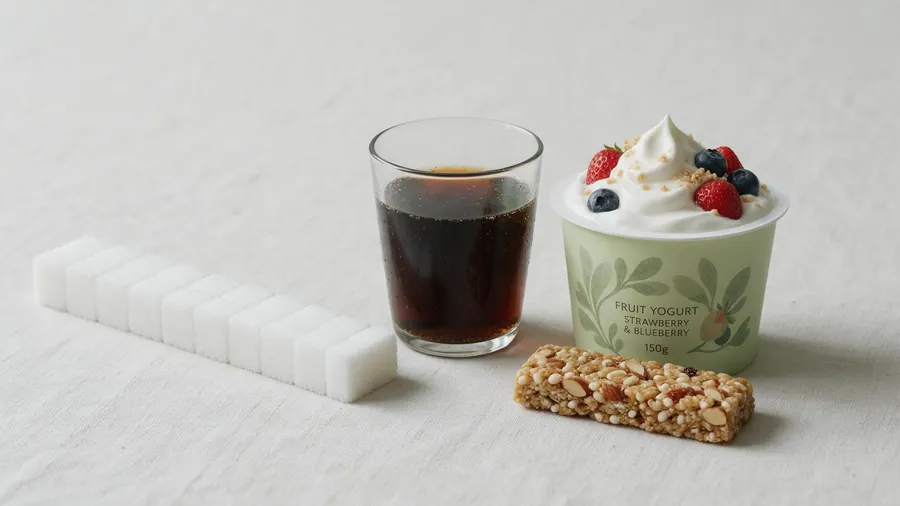
- 25 grams of free sugar a day is the target, that is six cubes. The US average is around 70 grams, Europe 90.
- The biggest sources are drinks, yogurts, cereals, sauces and bread, not the slice of cake.
- Sugar drives insulin, belly fat, liver fat and inflammation; the liver processes fructose like alcohol.
- Four weeks of reduction change taste: afterwards plain fruit tastes sweet.
How much sugar we eat
The World Health Organization recommends limiting free sugar to under 10 percent of energy, better under 5 percent, which is around 25 grams or six cubes a day. Free sugar means added sugar plus the sugar in juices and honey; the sugar in whole fruit and milk does not count. The average in the United States sits around 70 grams, in many European countries at 90 to 100 grams, three to four times the target. And most of it does not come from sweets.
Where it hides
Half a liter of cola contains 53 grams, a glass of orange juice 20, a fruit yogurt 15 to 20, a bowl of granola 15, a tablespoon of ketchup 4, a slice of white bread 3, a latte with syrup 25, a shop smoothie 30. Whoever eats granola with fruit yogurt in the morning, drinks a juice at midday and uses a ready sauce in the evening sits at 80 grams without a piece of chocolate. Drinks are the biggest source: liquid sugar does not satiate and goes straight to the liver.
What sugar does in the body
Sugar consists of glucose and fructose. Glucose raises blood sugar and drives insulin; with constant supply the effect dulls, and that is the road to insulin resistance and type 2 diabetes. Fructose is processed almost only in the liver, much like alcohol, and turned into fat: fatty liver, raised triglycerides and belly fat are the result. Add inflammation markers, tooth decay and a reward system that always wants more.
The four-week plan
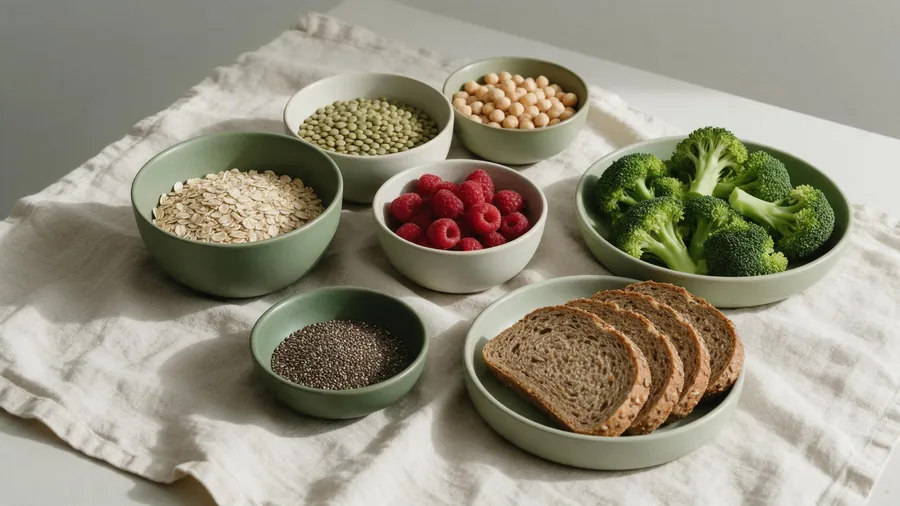
Week one: cut all drinks except water, tea and coffee without sugar; for most people that alone halves the sugar. Week two: swap breakfast, plain yogurt or skyr with berries and nuts instead of fruit yogurt and granola, oats instead of cornflakes. Week three: check and replace ready sauces, dressings and spreads. Week four: plan sweets consciously, one dessert at the weekend, one piece of good chocolate, no ban. After four weeks taste has adjusted: fruit tastes sweet, soft drinks too sweet.
Sweeteners as a substitute?
Sweeteners deliver no calories but keep the craving for sweetness alive and show mixed effects on gut flora and appetite in studies. As a transition they are better than sugar, as a permanent solution worse than water. The goal is to like less sweetness, not sweetness without calories.
Try it
Sugar CalculatorTap the drinks and foods of one day: how many sugar cubes that is and how far you are above the WHO recommendation.Blood Test CheckCholesterol, LDL, HDL, triglycerides, glucose, HbA1c, vitamin D, ferritin, TSH, CRP, blood pressure: each value with a traffic light and explanation.Calorie CalculatorHeight, weight, age, activity: your basal metabolic rate, your daily needs and the calories to lose, maintain or gain.Frequently asked questions
Is fruit bad because of the sugar?
No. Whole fruit brings fiber, water and polyphenols that release the sugar slowly. Two to three portions a day are healthy. Juices and smoothies are the exception: without the fiber the sugar acts like cola.
Is honey healthier than sugar?
Barely. Honey is 80 percent sugar with traces of enzymes and antioxidants. It counts as free sugar and is processed the same way. Fine as a flavor in small amounts, not as a health remedy.
What about sugar withdrawal?
The first three to five days without sugar can bring fatigue, headaches and cravings. Then it fades. Protein and fat at every meal ease the transition.
This article is general information and not medical advice. If you have symptoms or existing conditions, or before changing any medication, talk to your doctor.
Share