Chronic low-grade inflammation drives atherosclerosis, diabetes, dementia and cancer. How to recognize it, what fuels it, which blood values measure it and how to lower it within weeks.
In short
- Silent inflammation is a permanent, mild activation of the immune system without infection, measurable via high-sensitivity CRP.
- Drivers: belly fat, sugar, smoking, alcohol, sleep deprivation, lack of movement, chronic stress, periodontitis.
- Brakes: omega-3, vegetables and berries, fiber, movement, sleep, weight loss, dental care.
- CRP under 1 mg/l is the target; values respond within eight to twelve weeks.
What silent inflammation is
Acute inflammation is visible: red, warm, swollen, an immune system fighting an injury or infection and then switching off. Silent inflammation does not switch off. It runs on a low flame, for years, without symptoms, driven by fat tissue, blood sugar, gut and stress. It damages vessel walls, makes cells insulin-resistant, promotes tumor growth and deposits in the brain. Research calls it inflammaging because it sets the pace at which the body ages.
How to recognize it
In the blood via high-sensitivity CRP: under 1 mg/l low, 1 to 3 medium, above 3 high, when no infection is present. In addition ferritin, which rises with inflammation, and the ratio of triglycerides to HDL. In daily life via signs that are harmless individually: tiredness despite sleep, belly fat, joints that are stiff in the morning, skin that heals badly, frequent infections, bleeding gums.
The drivers
Belly fat is not a store but an organ that produces inflammatory messengers; every centimeter of waist counts. Sugar and white flour drive blood sugar spikes that irritate vessels. Smoking is the strongest inflammation source of all. Alcohol damages gut wall and liver. Sleep deprivation raises CRP after just one week. Lack of movement keeps the muscles silent that otherwise release anti-inflammatory messengers. Chronic stress keeps cortisol high until the immune system no longer responds. And periodontitis, the inflamed gum pocket, is a permanent source leading straight into the bloodstream.
The brakes
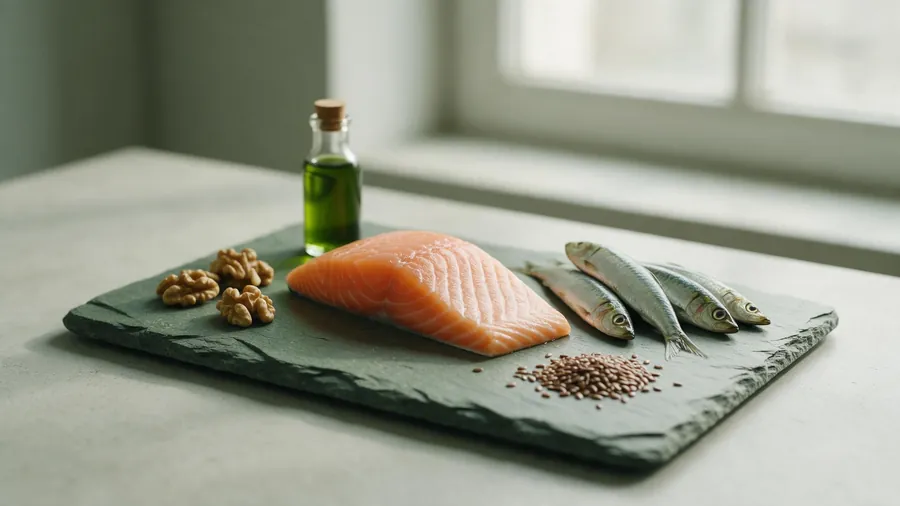
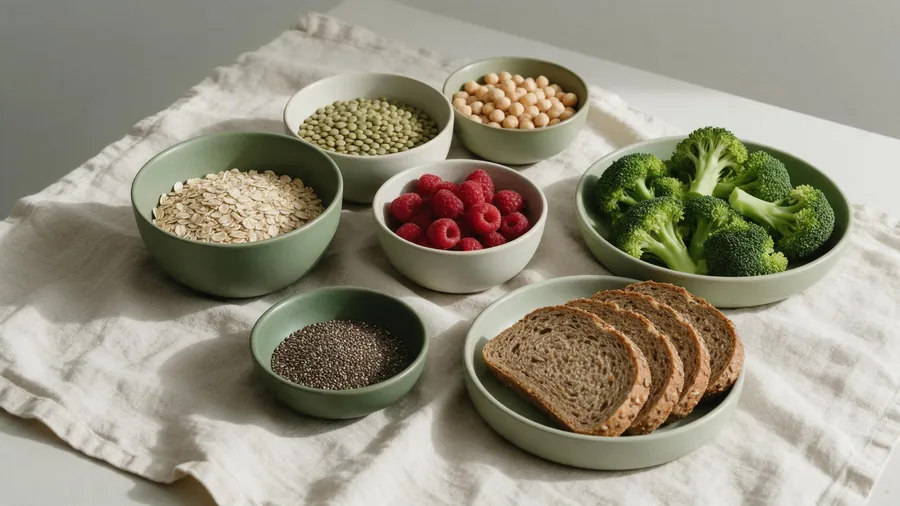
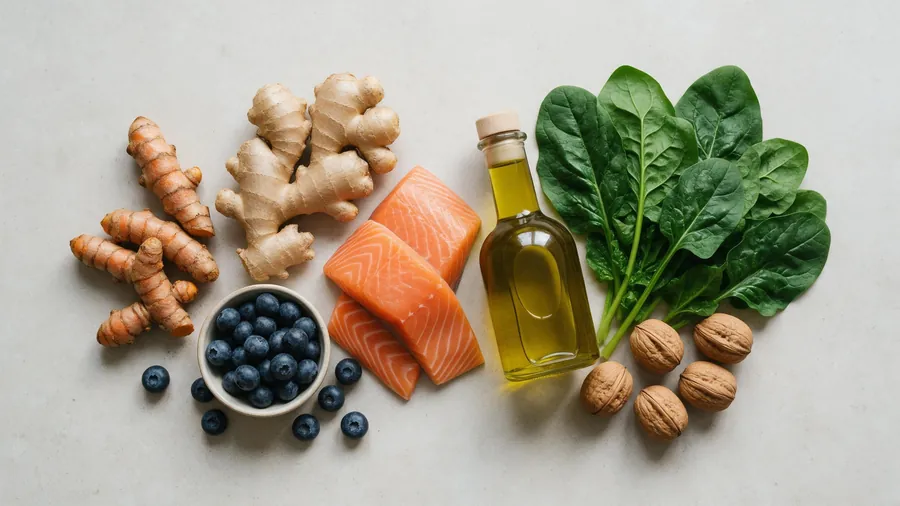
Omega-3 fatty acids from oily fish or algae oil deliver the building blocks from which the body makes inflammation-resolving compounds. Vegetables, berries, olive oil, nuts, turmeric and green tea deliver polyphenols that dampen inflammation pathways. Fiber feeds gut bacteria that produce butyrate. Movement, especially endurance in zone 2 and strength training, lowers CRP sustainably. Seven to eight hours of sleep. Weight loss, every kilo of belly fat less. Floss daily and have a cleaning twice a year.
What is possible in twelve weeks
Whoever cuts sugar and alcohol, trains three times a week, sleeps seven hours, eats fish and vegetables and loses three kilos of belly fat lowers CRP in studies by 30 to 50 percent. Inflammation responds faster than weight; that is why you feel better before the scale shows it.
Try it
Blood Test CheckCholesterol, LDL, HDL, triglycerides, glucose, HbA1c, vitamin D, ferritin, TSH, CRP, blood pressure: each value with a traffic light and explanation.Body Fat CalculatorHeight, weight, waist, neck and for women hips: your body fat percentage by the circumference method, BMI and fat-free mass.Supplement CheckDiet, sun, age, sport, goals: which supplements make sense for you, which are optional and which you can skip.Frequently asked questions
Are anti-inflammatory foods a myth?
No, but the effect is cumulative and comes from the pattern, not from a single superfood. Turmeric alone changes nothing, a Mediterranean diet measurably lowers CRP.
Does ibuprofen help against silent inflammation?
No. Painkillers dampen acute inflammation, harm stomach, kidneys and heart with permanent use and change nothing about the causes.
Can sport trigger inflammation?
Acutely yes, every workout irritates muscles briefly. That is healthy: the repair makes them stronger and lowers chronic inflammation. Only overtraining without recovery keeps CRP permanently high.
This article is general information and not medical advice. If you have symptoms or existing conditions, or before changing any medication, talk to your doctor.
Share