
Stay young longer
Longevity
Aging is not fate but a process with levers. Here are the ones that work according to current evidence: sleep, muscle, food, relationships, prevention.

Two ages
Biological age: what it measures and how to lower it
Your passport says 45, your body may say 39 or 52.
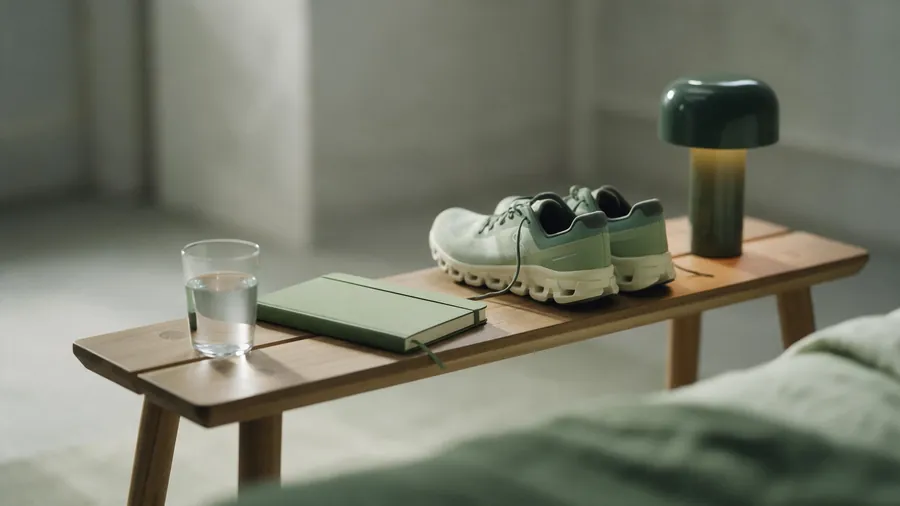
The day as a system
Longevity routines: a morning and an evening with lasting effect
Not a twenty-step morning routine, but the five things in the morning and the five in the evening that, according to current evidence, stabilize sleep, metabolism and nervous system the most..

The decisive decade
Prevention after 40: what counts now and what can wait
Between 40 and 50 the course for the second half of life is set: muscles shrink, blood lipids rise, sleep gets lighter.
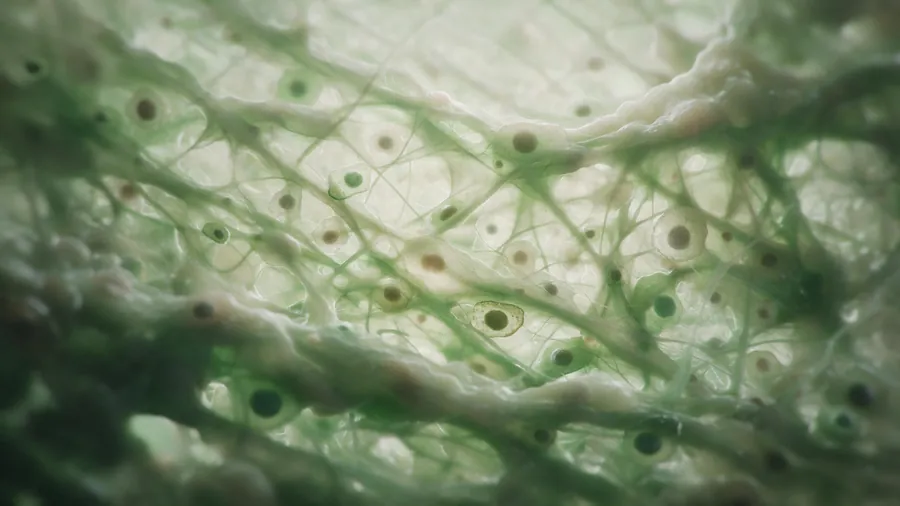
What happens in the cells
Slowing cellular aging: autophagy, telomeres, senescence
Why cells age, what telomeres, senescent cells, mitochondria and autophagy have to do with it and which everyday measures influence these processes, without miracle pills..

Where people reach one hundred
Blue Zones: what five regions of the world teach us
Okinawa, Sardinia, Ikaria, Nicoya, Loma Linda: five places with strikingly many centenarians.
Biological age
Longevity Score
Twelve questions about sleep, movement, food, stress and habits: your estimated biological age and the three levers with the biggest effect.
Your personal longevity plan
How old is your body, really?
Answer twelve questions, see your estimated biological age and, if you like, request a personal plan with the three levers that bring you the most healthy years. No obligation, no product sales.
- Biological age in two minutes from twelve inputs on sleep, movement, food, stress and habits
- Personal plan with the three levers that matter most for you, in an order that holds up in daily life
- Control values for your next doctor’s appointment: which blood tests, which measurements, which interval