Why the Mediterranean diet passes more studies than any diet, what it really consists of, how it works in a northern supermarket and which mistakes cancel the effect.
In short
- The Mediterranean diet cuts heart attacks, strokes, diabetes and dementia by 20 to 30 percent in large studies.
- The ingredients: olive oil, vegetables, legumes, nuts, whole grains, fish, little meat, little sugar, wine only with food.
- It works north of the Alps with rapeseed oil, cabbage, lentils, herring and local vegetables just the same.
- The typical mistakes: pasta as the main course, pizza as an excuse, wine without food, meat every day.
Why it is the reference
No eating pattern is as well studied as the Mediterranean one. The PREDIMED study with 7,400 participants showed that it cuts heart attacks and strokes by about 30 percent, large cohorts link it with less diabetes, less dementia, less breast cancer and longer life. It is not a diet but a pattern that fills you up, tastes good and can be kept for a lifetime. That is why it is in almost every guideline.
What it consists of
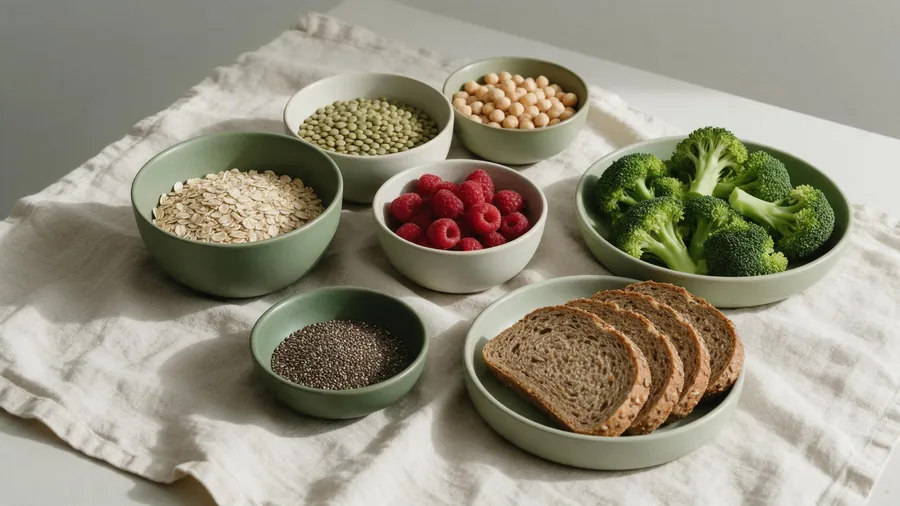
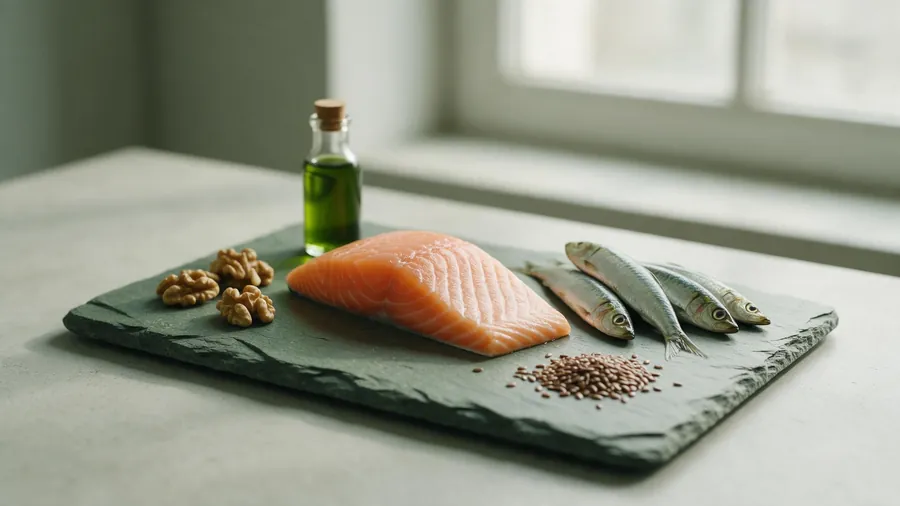
Olive oil as the main fat, cold-pressed, four tablespoons a day. Vegetables at every meal, raw and cooked. Legumes three to four times a week. Nuts daily, a handful. Whole grains instead of white flour. Fish two to three times a week, preferably oily. Poultry and eggs in moderation, red meat rarely, sausage hardly ever. Dairy as yogurt and cheese in moderation. Fruit as dessert. Wine, if at all, with food and little. And time: meals at the table, in company.
The northern translation
Mediterranean is a pattern, not a designation of origin. Rapeseed oil has a fat profile similar to olive oil. Cabbage, beetroot, carrots, leeks and kale are vegetables with the same effect as tomatoes and zucchini. Lentils, peas and beans grow in the north. Herring, mackerel and trout deliver omega-3 like sardines. Oats and rye bread are whole grain. The Nordic diet shows similar effects in studies because the structure is the same.
The typical mistakes
Pasta as the main course in northern portions. Pizza and white bread as an excuse. Wine in the evening without food. Meat daily because it is called Mediterranean. Ready pesto and antipasti from the jar with sugar and cheap oil. And olive oil from the bargain bin that is not one. The effect comes from vegetables, legumes, good fat and fish, not from the Italian name.
A Mediterranean day
Breakfast: plain yogurt with nuts, berries and oats. Lunch: lentil salad with feta, vegetables and olive oil, plus whole grain bread. Afternoon: a handful of almonds, an apple. Evening: roasted vegetables with fish or chickpeas, olive oil, herbs, lemon. Water with the meal, coffee without sugar, wine at the weekend.
Try it
Protein CalculatorWeight, goal and activity: how much protein you need a day, how to spread it across meals and where it comes from.Sugar CalculatorTap the drinks and foods of one day: how many sugar cubes that is and how far you are above the WHO recommendation.Blood Test CheckCholesterol, LDL, HDL, triglycerides, glucose, HbA1c, vitamin D, ferritin, TSH, CRP, blood pressure: each value with a traffic light and explanation.Frequently asked questions
Is the Mediterranean diet suitable for weight loss?
Yes, if portions are right. It satiates well and can be kept permanently, which counts more for weight than any short effect. Olive oil and nuts are calorie-dense but linked in studies with less weight gain.
How much olive oil makes sense?
Three to four tablespoons a day, cold over vegetables and salad or for gentle frying. Extra virgin olive oil is heat-stable up to about 180 degrees Celsius.
Does it need fish?
Fish is the simplest omega-3 source and part of the pattern. Whoever eats none takes algae oil or walnuts, flaxseed and rapeseed oil, though the plant form is less efficient.
This article is general information and not medical advice. If you have symptoms or existing conditions, or before changing any medication, talk to your doctor.
Share