Why cells age, what telomeres, senescent cells, mitochondria and autophagy have to do with it and which everyday measures influence these processes, without miracle pills.
In short
- Aging has twelve hallmarks at the cellular level; for daily life four matter: mitochondria, autophagy, senescence and inflammation.
- Endurance training multiplies mitochondria, strength training protects them, fasting and sleep activate autophagy.
- Chronic inflammation is the common denominator; belly fat, smoking, sleep deprivation and sugar drive it.
- Senolytics and NAD boosters are research, not practice. The effective tools are movement, sleep, fasting, plants.
Twelve hallmarks, four for daily life
Research describes aging with twelve hallmarks, from genomic instability to altered gut flora. For daily life four can be singled out because you can influence them: the mitochondria, the power plants of the cells; autophagy, the recycling program; cellular senescence, meaning old cells that do not die but spread inflammatory substances; and chronic inflammation, which arises from all of it together.
Mitochondria: power plants that want training
With age the number and quality of mitochondria fall, and with them the energy in muscles, heart and brain. The antidote is endurance training in zone 2: it is the strongest known stimulus for building new mitochondria. Three to four sessions of 45 minutes a week at a pace where you can speak in sentences measurably change the cell structure of the muscles within eight weeks. Strength training protects in addition because it preserves the muscle mass in which the mitochondria sit.
Autophagy: the recycling
Cells break down damaged components and reuse them. This process, autophagy, runs above all when no food arrives: after 12 to 16 hours without calories, in deep sleep and after intense training. Intermittent fasting with an eating window of 8 to 10 hours, dinner three hours before bed and enough deep sleep are the everyday version. Research on autophagy in humans is young; what is certain is that constant grazing inhibits it.
Senescence: zombie cells
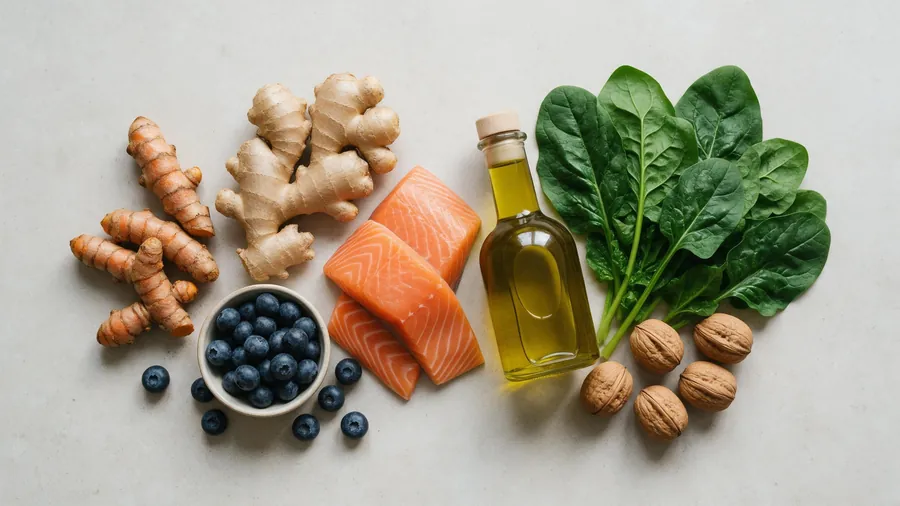
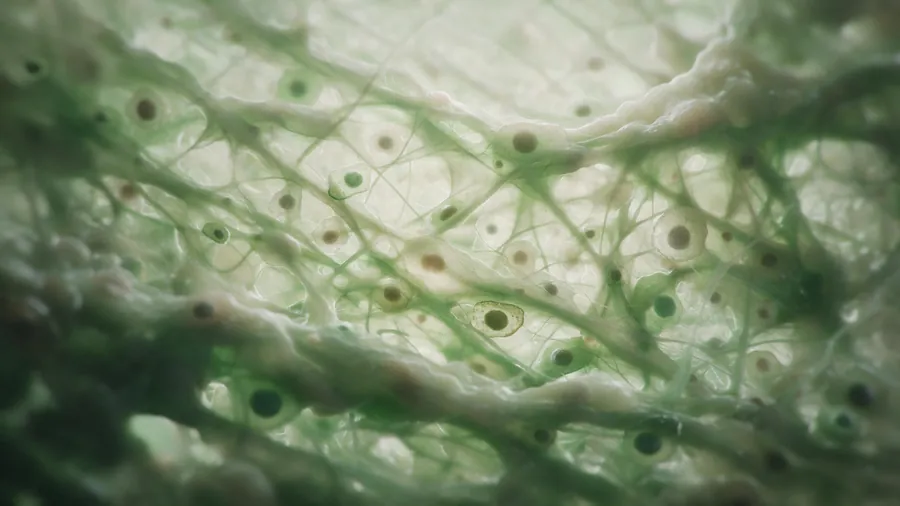
Old, damaged cells should die. Some do not, stay in the tissue and secrete inflammatory substances that damage neighboring cells. These senescent cells accumulate with age, especially in belly fat. Drugs that remove them specifically, senolytics, are in trials but not in practice. What works in daily life: less belly fat, movement, sleep, no smoking and plant compounds from berries, onions, cabbage and green tea that influence senescent cells in cell studies.
Inflammation: the common denominator
All four processes end in a silent, chronic inflammation that can be measured in the blood as CRP. It drives atherosclerosis, diabetes, dementia and cancer. Its drivers are known: belly fat, smoking, sleep deprivation, sugar, alcohol, lack of movement, chronic stress. Whoever works through this list lowers CRP within weeks, and with it the speed at which cells age.
What to make of the pills
NAD precursors, spermidine, resveratrol, metformin, rapamycin: all have effects in cells or mice, none has shown in healthy humans that it extends life. Whoever wants to spend money buys running shoes, dumbbells and berries.
Try it
Intermittent Fasting PlannerChoose wake-up time and method: your eating window, the fasting phases and what happens in the body hour by hour.Heart Rate ZonesAge and resting pulse: your maximum heart rate and the five training zones after Karvonen, with zone 2 as the fat-burning range.Blood Test CheckCholesterol, LDL, HDL, triglycerides, glucose, HbA1c, vitamin D, ferritin, TSH, CRP, blood pressure: each value with a traffic light and explanation.Frequently asked questions
Do telomeres extend life?
Telomeres, the protective caps of the chromosomes, shorten with every cell division. Their length correlates with age and stress, but lengthening them is no goal: cancer cells do exactly that. The lifestyle that spares telomeres is the same as everywhere: movement, sleep, no smoke.
Does spermidine work?
In cells and animals it promotes autophagy. In humans there are small studies with mixed results. Wheat germ, mushrooms, aged cheese and soybeans contain it naturally; a capsule is not necessary.
What about rapamycin?
It extends the life of mice and is the most discussed longevity drug. In humans long-term data are missing, and it suppresses the immune system. Not a tool for healthy people.
This article is general information and not medical advice. If you have symptoms or existing conditions, or before changing any medication, talk to your doctor.
Share