The immune system cannot be boosted, but it can be supported: with sleep, movement, vitamin D, zinc, gut flora and less stress. What the evidence says, what capsules promise and which vaccinations deliver more than any supplement.
In short
- A strong immune system is a balanced one: it reacts fast to pathogens and switches off afterwards.
- Sleep under six hours triples the risk of a cold; moderate movement halves the number of infections.
- Vitamin D in winter, zinc at the start of a cold and a fiber-rich diet are supported; echinacea, high-dose vitamin C and immune boosters are not.
- Vaccinations are the strongest immune measure: keep flu, pneumococcus, shingles and tetanus in view.
What a strong immune system is
The immune system cannot be revved up like an engine, and that would not be good: an overactive immune system means allergy, autoimmune disease or chronic inflammation. Strong means balanced: react fast when viruses come, and switch off again when they are gone. That takes sleep, nutrients, movement, a healthy gut flora and a nervous system that is not permanently on alarm.
Sleep and movement
People who sleep less than six hours fall ill three times as often in studies with controlled virus exposure as people with seven hours and more. In sleep memory cells are formed that store vaccinations and infections. Moderate movement, 30 to 60 minutes on most days, halves the number of infections per year; very hard efforts like marathons open a window of increased susceptibility for one to two days.
Nutrients with evidence
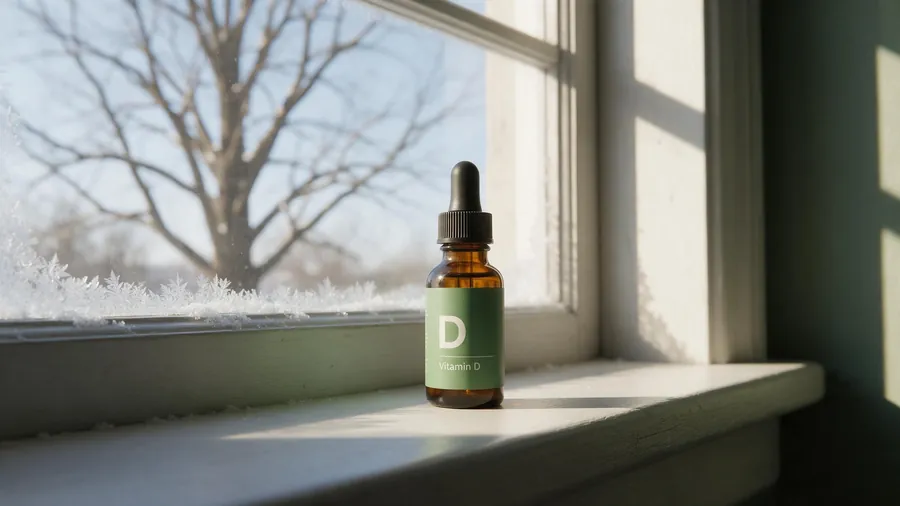
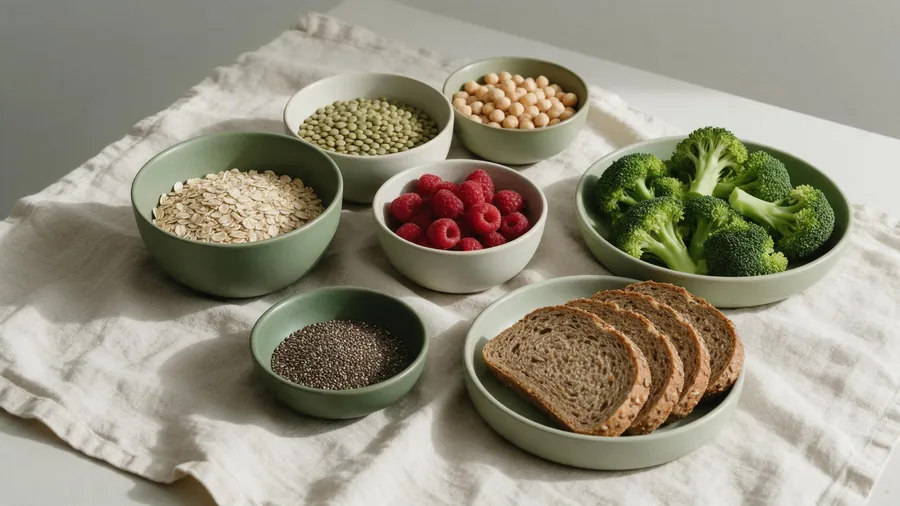
Vitamin D: with deficiency, supplementation measurably raises defense against respiratory infections; in winter 1,000 to 2,000 IU a day make sense for most. Zinc: lozenges in the first 24 hours of a cold shorten it by about a day. Vitamin C: regular intake shortens colds slightly, high doses at onset bring nothing. Protein: antibodies and immune cells are made of it, 1.2 grams per kilo is the base. Fiber and fermented foods: 70 percent of the immune system sits in the gut and is trained by the gut flora.
What is only sold
Immune boosters, echinacea, high-dose multivitamins, ginger shots by the crate, colloidal silver, detox cures: the evidence ranges from weak to non-existent. Whoever has no deficiency does not benefit from more vitamins. The money is better spent on sleep, fish, vegetables and a flu shot.
Vaccinations: the strongest measure
Flu yearly from 60 or with chronic disease, pneumococcus from 60, shingles from 50 or 60, tetanus, diphtheria and pertussis every ten years, COVID by current recommendation, measles with missing immunity, tick-borne encephalitis in risk areas. No capsule trains the immune system as precisely as a vaccination.
Try it
Vitamin D CalculatorMonth, city, skin type, minutes and how much skin is exposed: how much vitamin D your skin makes and whether it is enough in winter.Supplement CheckDiet, sun, age, sport, goals: which supplements make sense for you, which are optional and which you can skip.Sleep CalculatorWhen do you have to get up? The best bedtimes by 90-minute cycles, or the other way round: when you should wake up.Frequently asked questions
Do ginger and turmeric help?
As part of the diet yes, they deliver anti-inflammatory compounds. As a shot during a cold the effect is not proven. They do no harm.
Does cold toughen you up?
Regular cold showers cut sick days by almost 30 percent in one study, probably via stress resilience, not via the number of immune cells. Worth a try, with heart problems after consulting a doctor.
Are frequent colds a sign of a weak immune system?
Two to four colds a year are normal for adults, more for parents of small children. Frequent severe infections, pneumonia or infections that do not heal should worry you; then see a doctor.
This article is general information and not medical advice. If you have symptoms or existing conditions, or before changing any medication, talk to your doctor.
Share