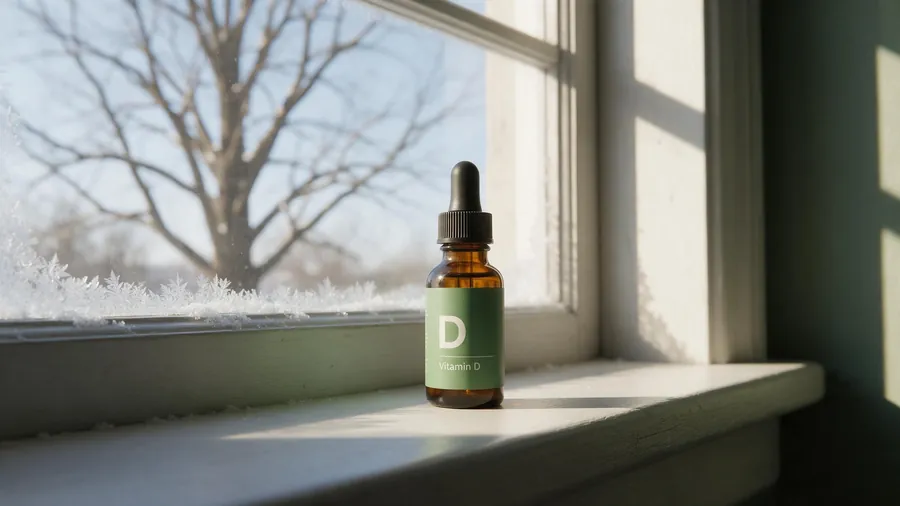
Sun is medicine and risk at once: it sets the inner clock, lifts mood, makes vitamin D and lowers blood pressure, and it causes skin cancer and wrinkles. How much sun when and where makes sense, how to find the dose and why morning light is the most important light of the day.
In short
- Morning light in the first hour after getting up sets the inner clock, even under clouds; it is the most important light stimulus of the day.
- For vitamin D, 10 to 20 minutes of midday sun on arms and legs three times a week in summer suffice, without sunburn.
- Protect face, neck and hands daily, get the vitamin D dose through arms and legs; shade between 11 am and 3 pm in high summer.
- Sunlight lowers blood pressure via nitric oxide and raises serotonin; people with more sun live longer in studies, despite skin cancer risk.
Light as time-giver
The inner clock needs a signal every day, and the strongest is light in the morning. Ten minutes outside in the first hour after getting up, 20 under clouds, set the clock: cortisol rises on time, melatonin is switched off, and about 14 to 16 hours later tiredness comes on its own. Window light is not enough, the glass and the distance take 90 percent of the intensity. In the evening the opposite applies: darkness and warm light so melatonin can rise. Whoever takes morning light seriously solves most problems falling asleep without another tool.
Sun and mood
Bright light raises serotonin, and winter depression is the result of the lack of light from November to February. A daylight lamp with 10,000 lux for 20 to 30 minutes in the morning is the standard treatment and works for many as well as medication. In summer the walk to work replaces the lamp. Sunlight on the skin also releases nitric oxide, which widens vessels and lowers blood pressure; in summer blood pressure values in populations are measurably lower than in winter.
Vitamin D without damage
The skin makes vitamin D only when the sun is high enough, so from April to September between 11 am and 3 pm in northern latitudes. Then 10 to 20 minutes on arms and legs suffice, less with fair skin, more with dark, three times a week, without reddening. More sun does not make more vitamin D but breaks it down; production saturates after about 20 minutes. Face, neck and hands, which get the most UV in a lifetime, stay protected because they contribute nothing relevant to vitamin D production.
Finding the dose
The rule is simple: never turn red. Sunburn is DNA damage and the strongest risk factor for melanoma, especially in childhood. Shade, clothing, hat and sunscreen with factor 30 to 50 in high summer and in the mountains. Tanning beds are no alternative, their UVA radiation ages the skin and raises cancer risk without efficiently making vitamin D.
The Swedish study
A study of 30,000 Swedish women over twenty years found: women who avoided the sun had a lower life expectancy than women who sunbathed regularly, despite the latter’s higher skin cancer risk, because cardiovascular disease and other causes were rarer. Sun avoidance was comparable to smoking as a risk factor. The message is not sunbathing but: being outside regularly, with sense, is healthier than staying inside.
Try it
Vitamin D CalculatorMonth, city, skin type, minutes and how much skin is exposed: how much vitamin D your skin makes and whether it is enough in winter.Sleep CalculatorWhen do you have to get up? The best bedtimes by 90-minute cycles, or the other way round: when you should wake up.Longevity ScoreTwelve questions about sleep, movement, food, stress and habits: your estimated biological age and the three levers with the biggest effect.Frequently asked questions
Is light through the window enough?
For the inner clock no: at the window 500 to 1,000 lux arrive, outside under clouds 5,000 to 10,000, in the sun 50,000 and more. For vitamin D glass blocks UVB completely.
Sunglasses in the morning?
For the clock better without, the light must reach the retina. Do not look into the sun, but do not darken either. With snow glare and strong summer sun eye protection comes first.
How much sun for children?
Children’s skin is more sensitive, and sunburns in childhood raise melanoma risk for life. Playing outside yes, with hat, shade at midday and sunscreen; they make enough vitamin D that way.
This article is general information and not medical advice. If you have symptoms or existing conditions, or before changing any medication, talk to your doctor.
Share