
South Korea
Seoul
Palace courtyards, a state museum the size of an airport and an art fair that moved the market east

The fastest-moving culture city on this list: a national museum that costs almost nothing, private collections funded by industry and a live scene that exports itself.
Seoul spent thirty years building cultural infrastructure at a speed nobody else attempted, and the last decade turning it outward. The National Museum of Korea charges nothing for its permanent collection and holds it in a building the length of an airport terminal. The five royal palaces sit in the middle of the business district, free on the days when visitors wear hanbok, and the modern art museum has a branch inside a palace compound.
The private money built the rest. Leeum, funded by an industrial family, put traditional and contemporary Korean art in three buildings by three different architects. When Frieze launched a Seoul edition, the market followed within two seasons, and the galleries of Hannam and Samcheong now programme against London rather than against each other.
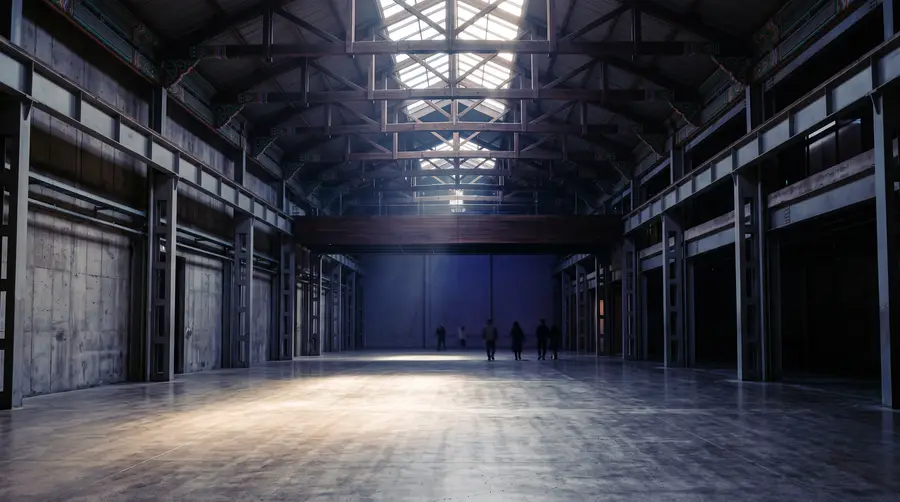
The live scene is the part that travels. The rooms of Hongdae feed an export industry that the rest of the world consumes as finished product, and seeing it upstream, in a basement that holds two hundred people with a crowd that knows the lyrics, is a different experience entirely.
The day
Seoul hour by hour
When things open, when they fill and when the city changes shift.
- 09:00Palaces open; go early, the courtyards are empty and the changing of the guard happens at ten.
- 11:00The national museum opens, free, enormous, and quiet on weekday mornings.
- 18:00Galleries in Hannam and Samcheong keep evening hours on Thursdays.
- 20:00Live houses in Hongdae. Four bands, tight sets, an audience that knows every word.
- 02:00Seoul does not stop. Neither do the trains on Friday and Saturday.
The quarters
Where to walk
Four districts that between them cover most of what matters.
Jongno and the palaces
Five royal palaces, the national museum of modern art beside one of them and hanok lanes in between.
Itaewon and Hannam
Leeum, the private collections and the galleries that follow the money up the hill.
Hongdae
Live houses, student theatre and the indie scene that fed the export industry.
Seongsu
Old shoe factories turned into cafés, galleries and pop-ups, changing faster than any map can track.
The venues
7 rooms in Seoul
Museums
 MuseumFree
Seoul · Yongsan
National Museum of Korea
Free, enormous, and holding the gold crowns of the Silla kingdom
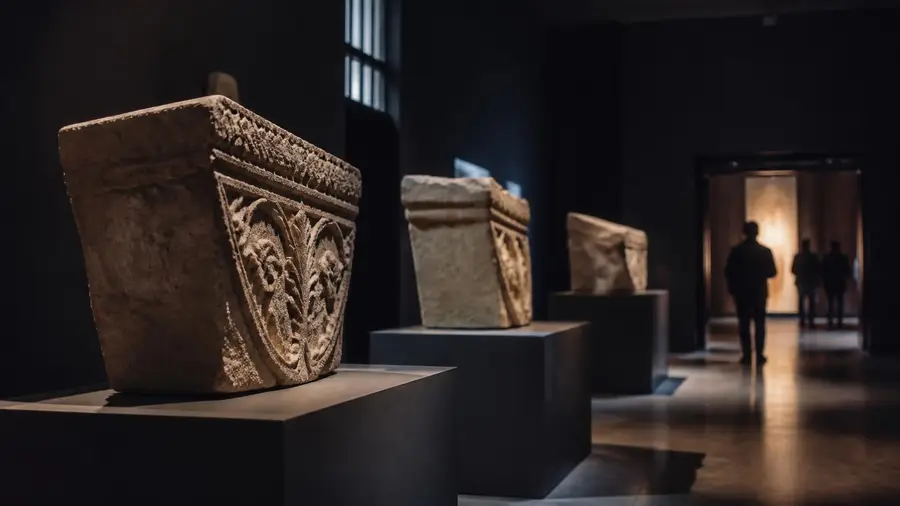 MuseumFree
Seoul · Hannam
Leeum Museum of Art
Three buildings by three architects, holding traditional and contemporary Korean art side by side
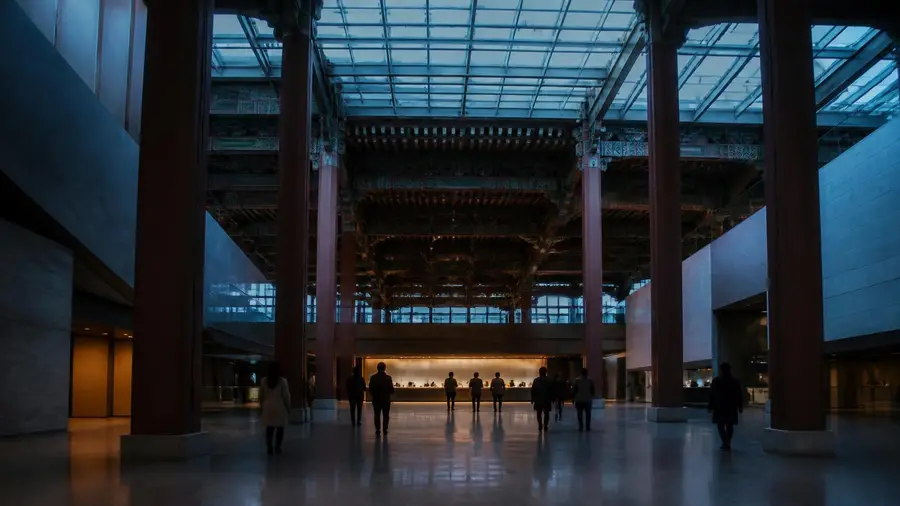 MuseumFree hours
Seoul · Samcheong
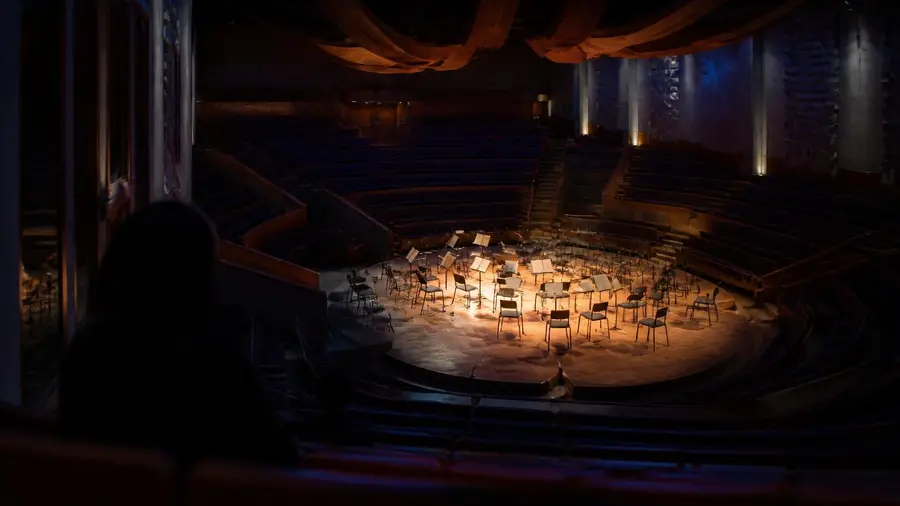
MMCA Seoul
The national contemporary museum, built low inside a palace compound

Live Rooms and Clubs

The calendar
Festivals in Seoul
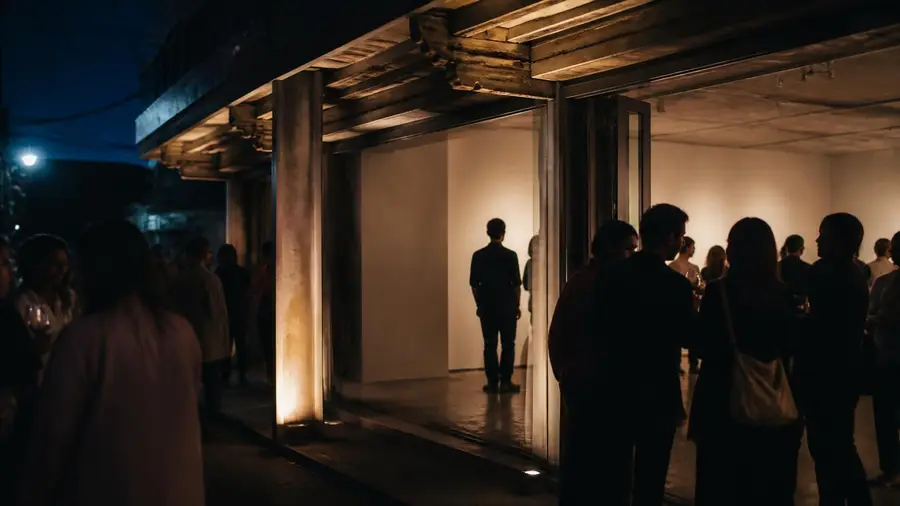
Plan it
Forty-eight hours in Seoul
Friday evening to Sunday afternoon, built from the venues above.
Questions
Are the palaces worth it?
Gyeongbokgung for scale and the changing of the guard, Changdeokgung for the secret garden, which needs a timed tour booked ahead. Admission is free if you wear hanbok, rented at any shop by the gates.
When is the art week?
Early September, around Frieze Seoul and Kiaf. Galleries stay open late, the whole city programmes against it, and hotel prices reflect that.
Is the public transport easy?
The easiest in this guide. Everything is signed in English, a transit card works on all of it, and it costs about a euro per journey.
Next
Other cities
 86
86Germany
Berlin
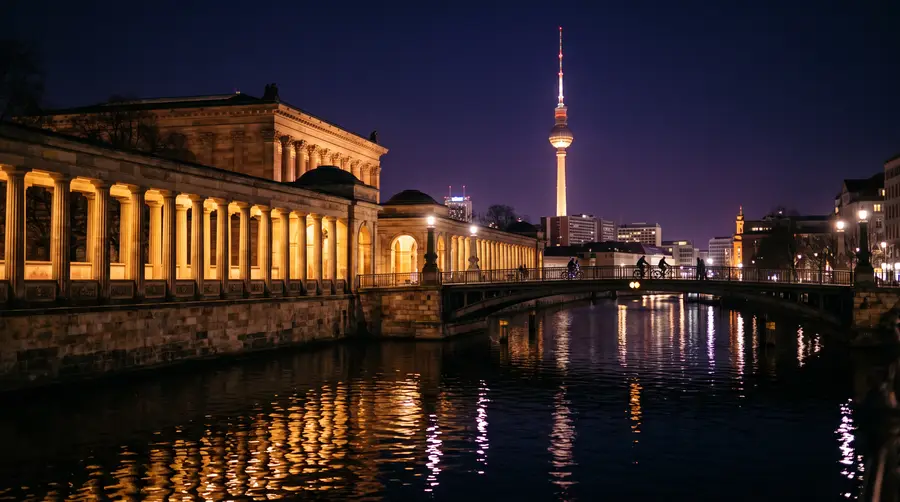
Three opera houses, five museums on one island and a club that never asks the time
 85
85United Kingdom
London
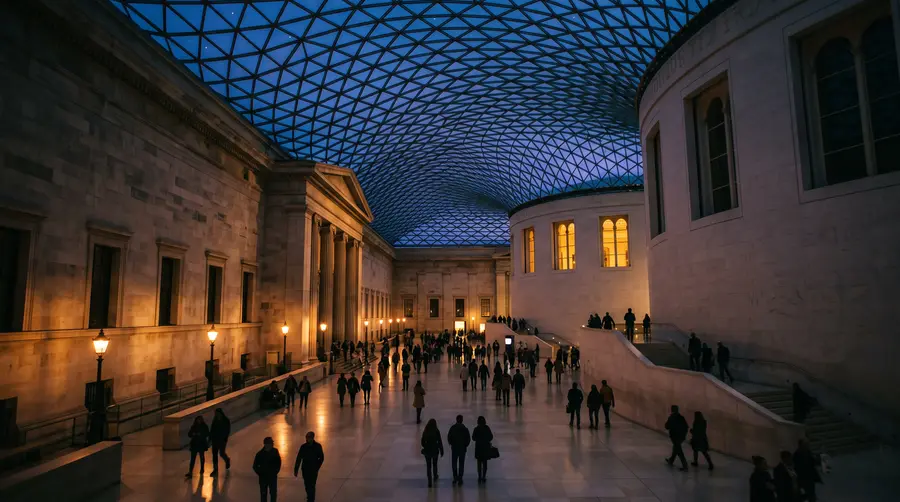
The greatest free collections on earth and the most expensive tickets in Europe
 82
82France
Paris
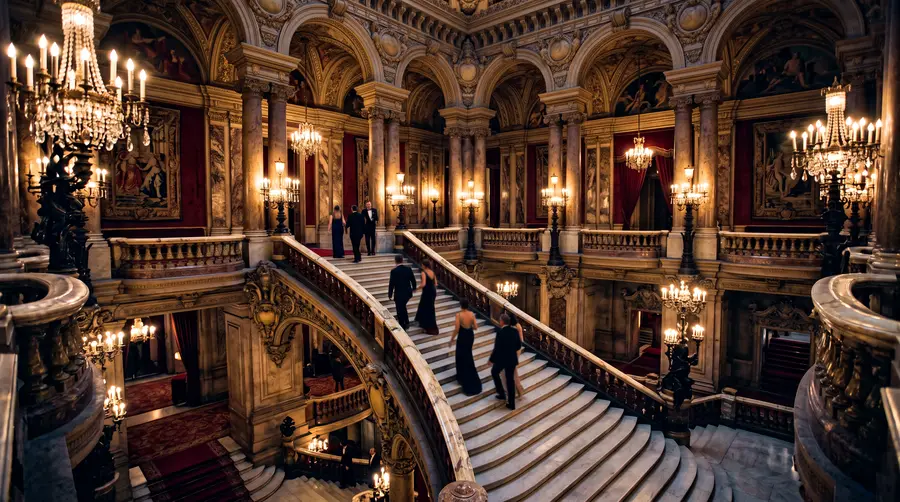
The museum as a state religion, and an opera house built to be looked at
 85
85United States
New York
Broadway, the Met and a downtown that reinvents the rules every decade