Spain
Barcelona
Modernisme as a city plan, Miró on a hill and electronic music as an export
A city whose architecture is its main exhibition, with a festival economy that turns two weeks in June into a global event.
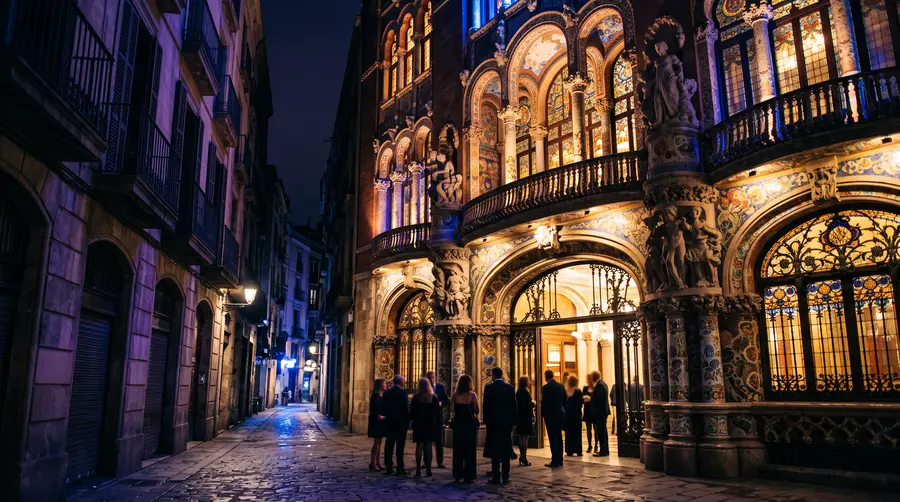
Barcelona is the only city in this guide where the most important artworks are addresses people live at. Gaudí built apartment buildings, not monuments, and the Modernisme movement spread through the Eixample as ordinary commissions from ordinary merchants, which is why you can turn a corner on the way to dinner and find a facade that would be a national museum elsewhere.
The museums are strong rather than encyclopaedic: the Miró foundation on Montjuïc is the best single-artist building in Europe, the national museum of Catalan art holds Romanesque frescoes lifted whole from Pyrenean churches, and MACBA gave the Raval a square that became the most famous skate spot in the world by accident.
What the city exports is music. Sónar invented the idea of a festival split between day and night, Primavera turned a park by the sea into a fortnight that moves record deals, and the club culture that supports them runs on a timetable that starts when northern Europe is asleep. Plan your days around a siesta, not around opening hours.
The day
Barcelona hour by hour
When things open, when they fill and when the city changes shift.
- 10:00Museums open. Montjuïc is empty at this hour and the view alone justifies the funicular.
- 18:00Galleries and the evening passeig. Nothing in this city is urgent before six.
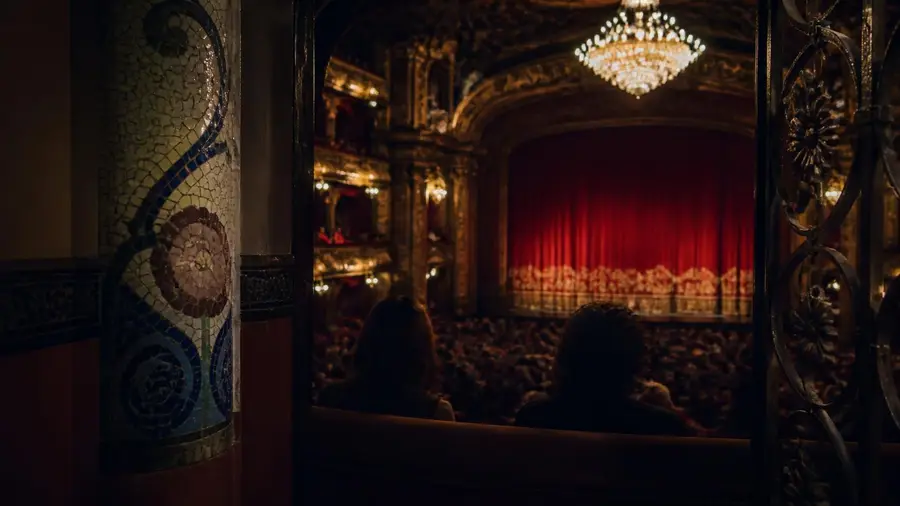
- 21:00Curtain at the Liceu, dinner afterwards rather than before.
- 00:30Live rooms in Raval and Poblenou start their main set.
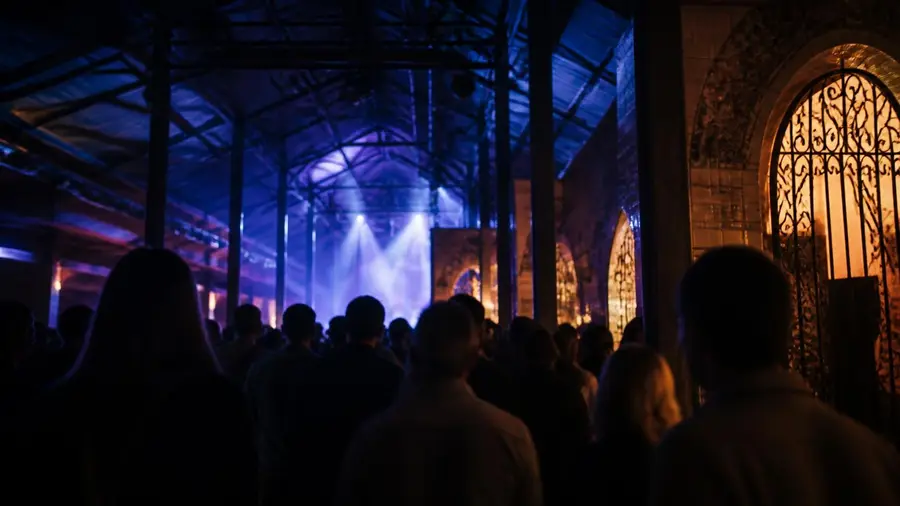
- 03:00The clubs on the beach and in the old industrial blocks are at their fullest.
The quarters
Where to walk
Four districts that between them cover most of what matters.
Eixample
Gaudí's apartment blocks as everyday addresses, the Sagrada Família a few streets on and the Modernisme trail between them.
Montjuïc
The Miró foundation, the national museum of Catalan art and an open-air theatre on a hill above the port.
Raval
MACBA, the contemporary culture centre and skateboards on the square outside both of them.
Poblenou
The old industrial grid turned into studios, design schools and the site where Primavera builds its city each summer.
The venues
7 rooms in Barcelona
Museums
 MuseumIcon
Barcelona · Montjuïc
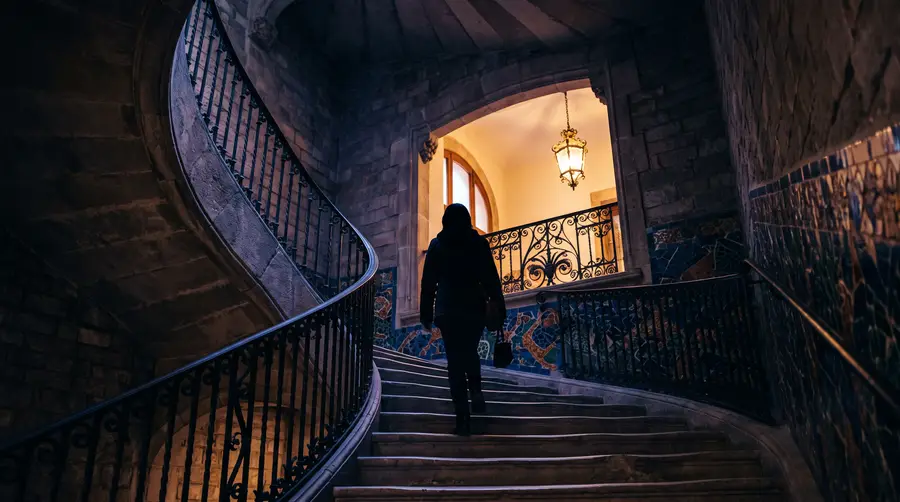
Fundació Joan Miró
A white museum on a hill, designed by the artist's friend to hold his own gift to the city
 MuseumFree hours
Barcelona · Montjuïc
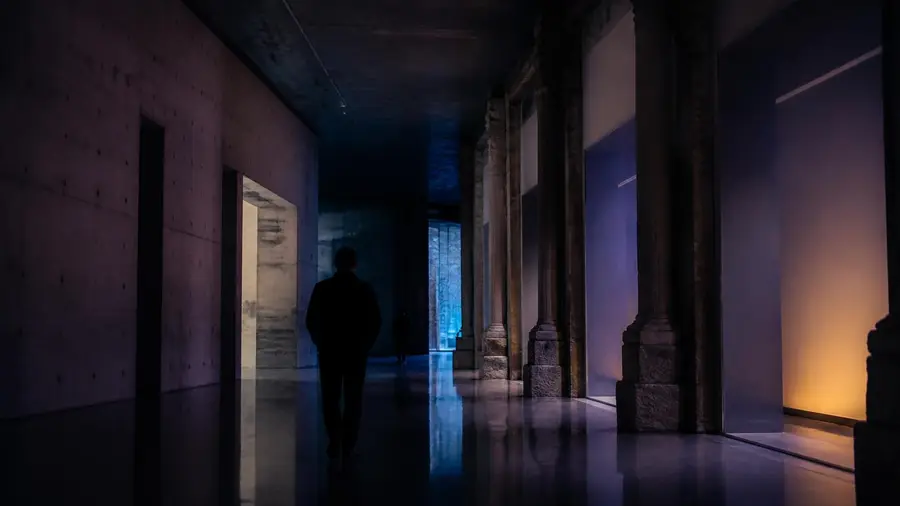
MNAC
Romanesque church frescoes lifted whole from the Pyrenees into a palace above the city
 Museum
Barcelona · Raval
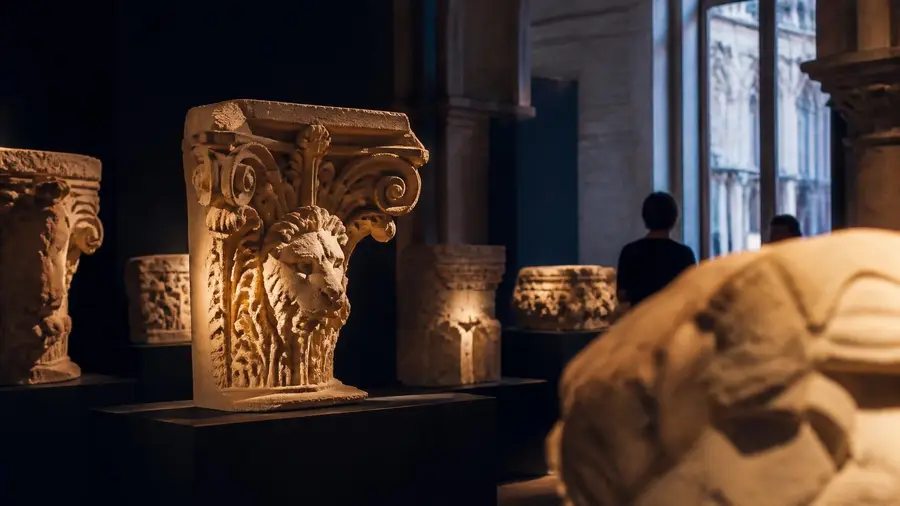
MACBA
Richard Meier's white gallery, with the most famous skate plaza in the world outside it
Opera and Ballet
Live Rooms and Clubs
The calendar
Festivals in Barcelona
 Jun
JunBarcelona · Music
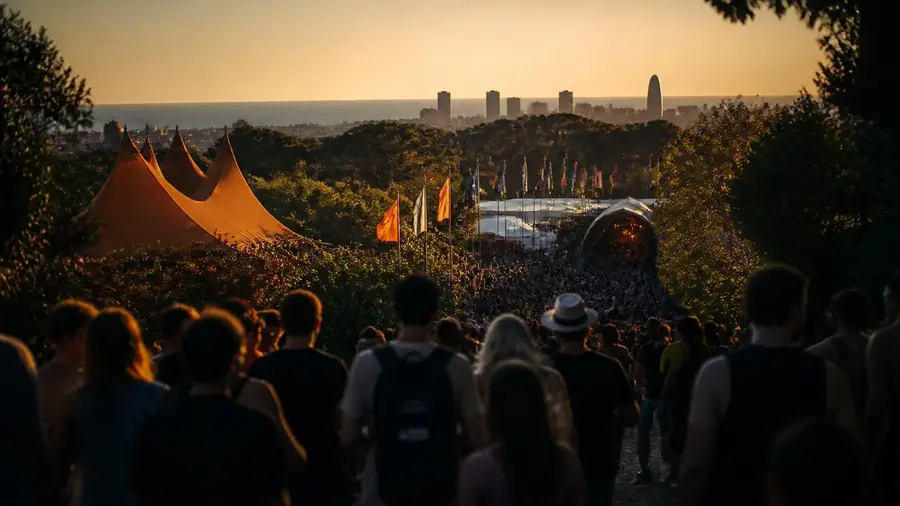
Primavera Sound
A park by the sea, a line-up that ignores genre hierarchy and sets that run until six in the morning
 Jun
JunBarcelona · Music
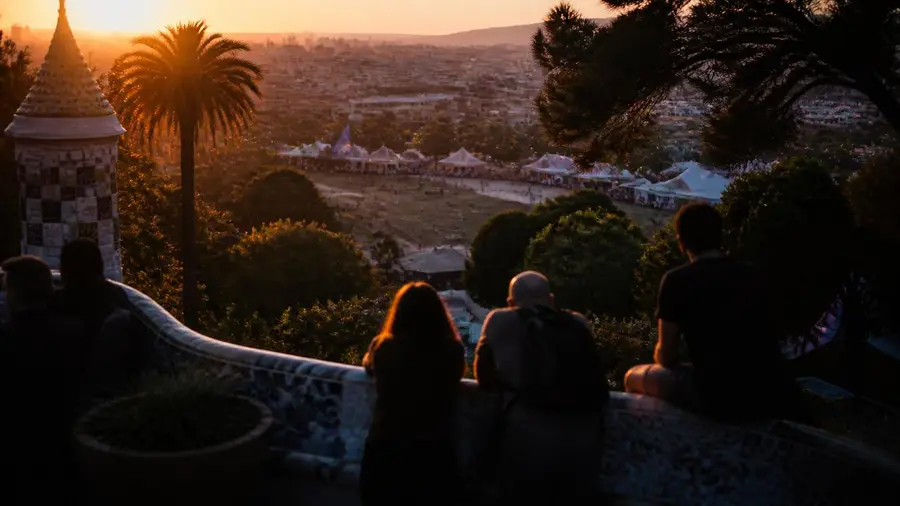
Sónar
The festival that split itself into day and night and made both work
 SepFree
Barcelona · Street
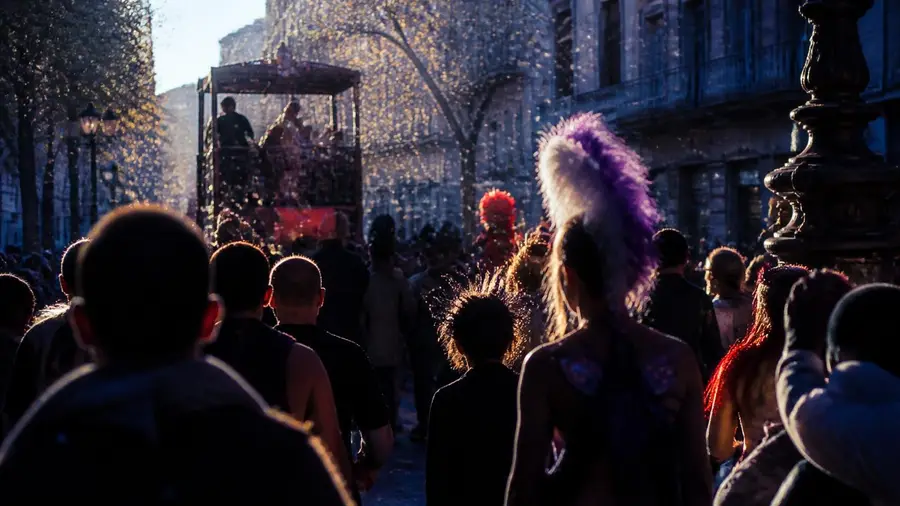
La Mercè
Barcelona's city festival: human towers, fire runs, giants and free concerts for four days
Plan it
Forty-eight hours in Barcelona
Friday evening to Sunday afternoon, built from the venues above.
Questions
When do the clubs actually start?
Doors around midnight, the room fills at two, the main set runs until six. Dinner at nine is the local warm-up, not the evening.
Is the Sagrada Família worth the ticket?
Yes, but only with a timed slot booked well ahead and only if you go up a tower. The interior light between eleven and one is the reason to be there.
Which festival should I plan a trip around?
Primavera Sound in early June for the line-up, Sónar in mid-June for electronic music and its daytime programme, Mercè in September for a free city-wide street festival.
Next
Other cities
 86
86Germany
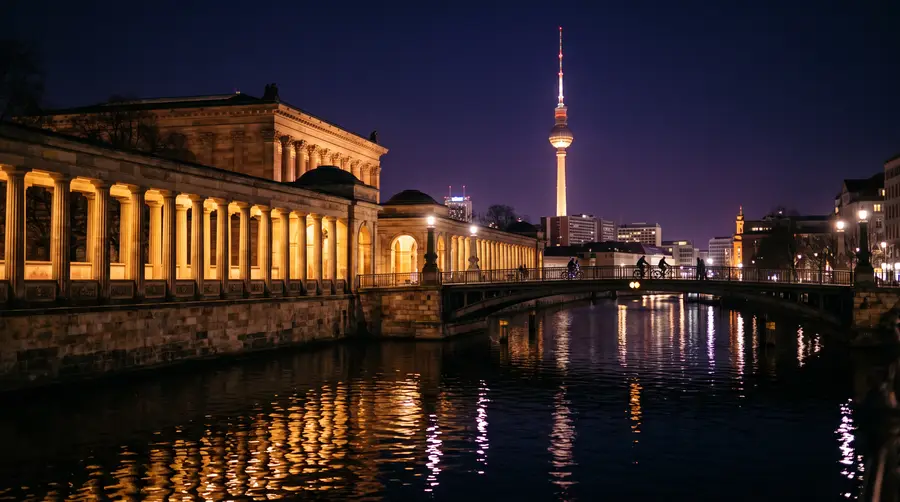
Berlin
Three opera houses, five museums on one island and a club that never asks the time
 85
85United Kingdom
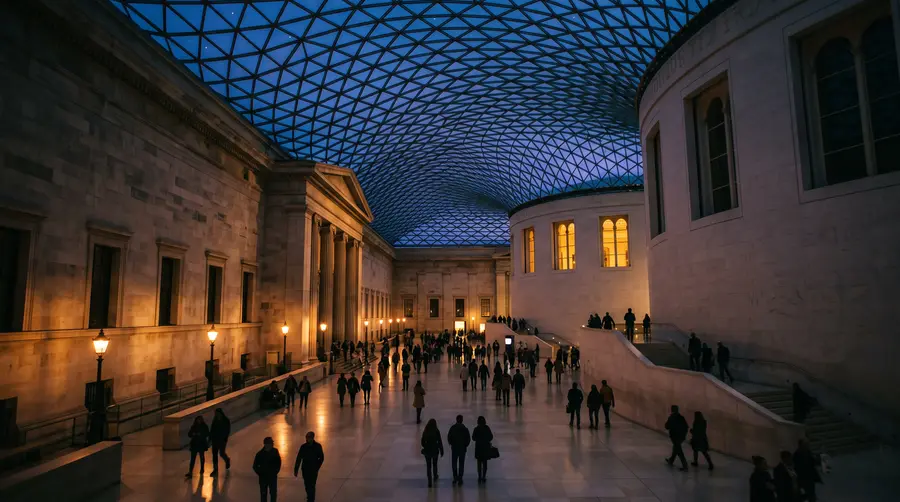
London
The greatest free collections on earth and the most expensive tickets in Europe
 82
82France
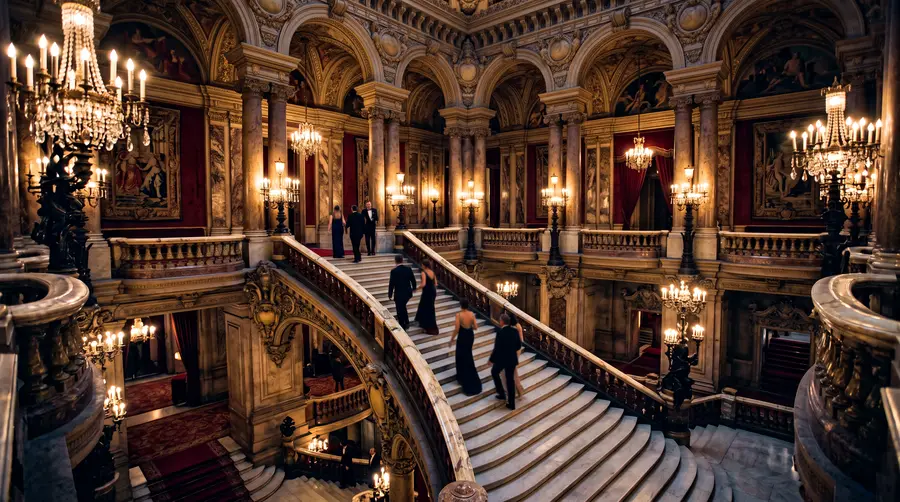
Paris
The museum as a state religion, and an opera house built to be looked at
 85
85United States
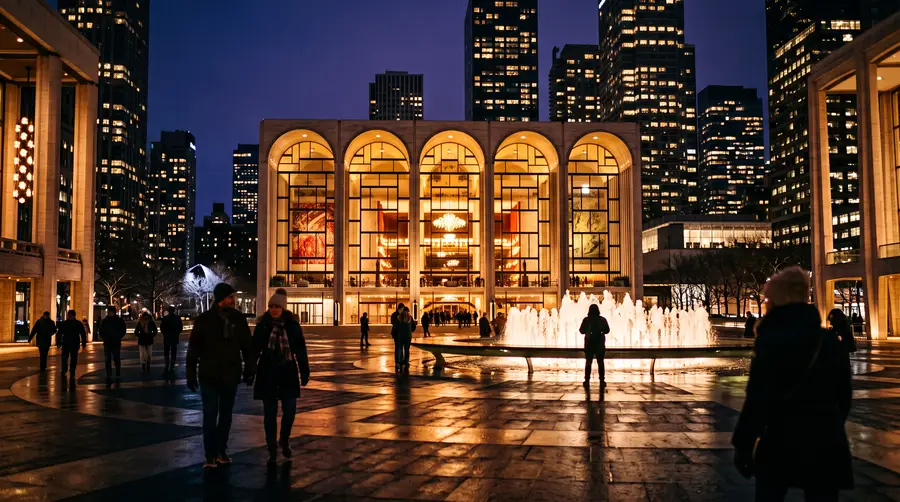
New York
Broadway, the Met and a downtown that reinvents the rules every decade