France
Paris
The museum as a state religion, and an opera house built to be looked at

Paris treats art as public infrastructure. The consequence is queues, and the antidote is knowing which hour to arrive.
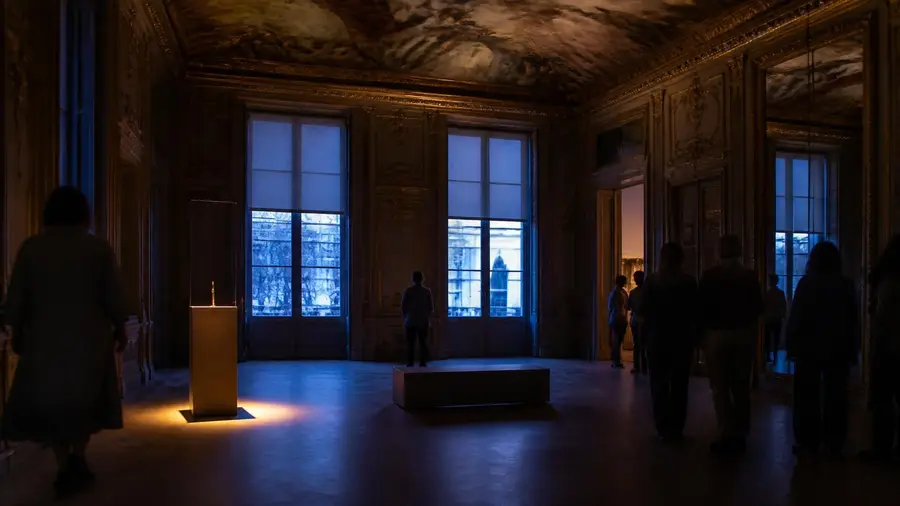
France nationalised its masterpieces in 1793 and has never quite got over the achievement. The result is a city where the state owns the Mona Lisa, the Winged Victory, a train station full of Impressionists and a former royal greenhouse containing the Water Lilies, and where all of it is priced for citizens rather than tourists: a single Louvre ticket costs less than a decent lunch two streets away.
The price is congestion. The Louvre takes nine million visitors a year through doors designed for a palace, and the Mona Lisa room has become a photography scrum that has nothing to do with looking at a painting. The city rewards the visitor who goes sideways: the Orangerie holds two oval rooms of Monet that most itineraries skip, the Musée Carnavalet is free and tells the story of the city itself, and the Petit Palais gives away a collection that would be a national museum anywhere else.
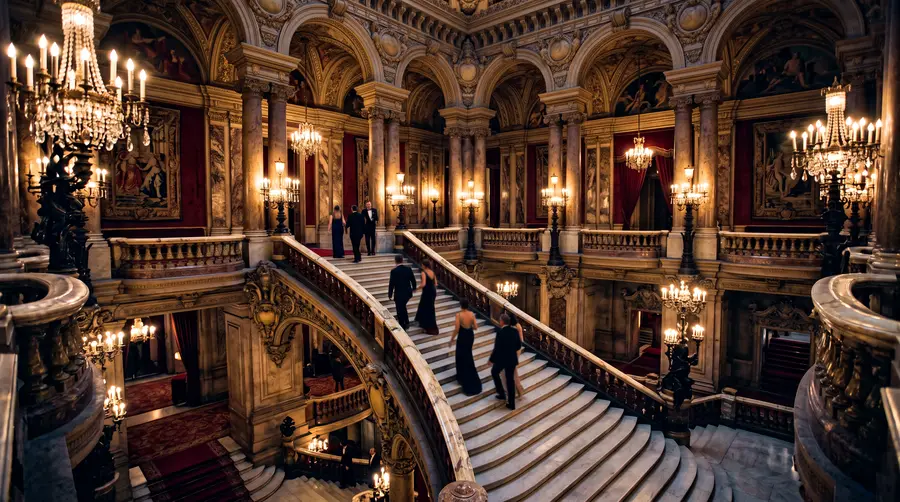
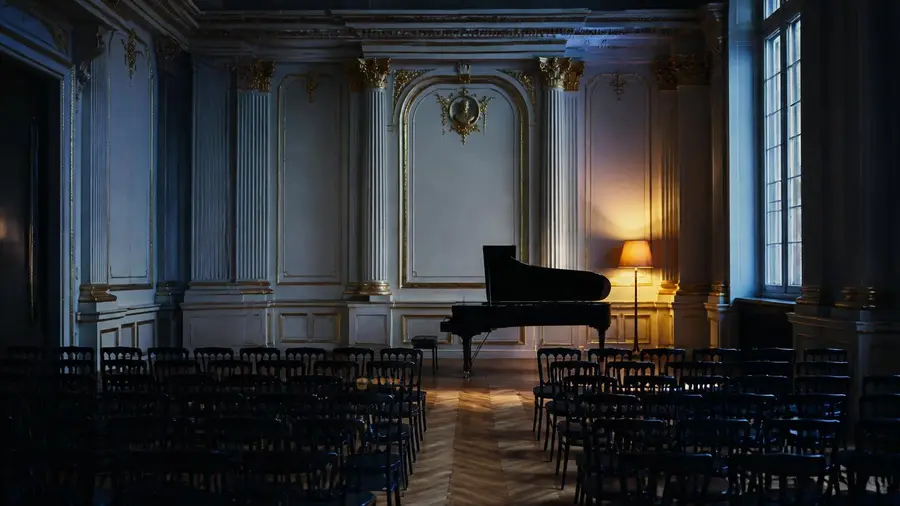
In the evening Paris is an opera town first and a jazz town second, with a theatre scene that remains stubbornly French and rewards anyone who can follow it. The Palais Garnier is worth a ticket even for a programme you do not care about: you are buying the staircase as much as the stage.
The day
Paris hour by hour
When things open, when they fill and when the city changes shift.
- 09:00Louvre and Orsay open. The first hour is the only quiet one of the day.
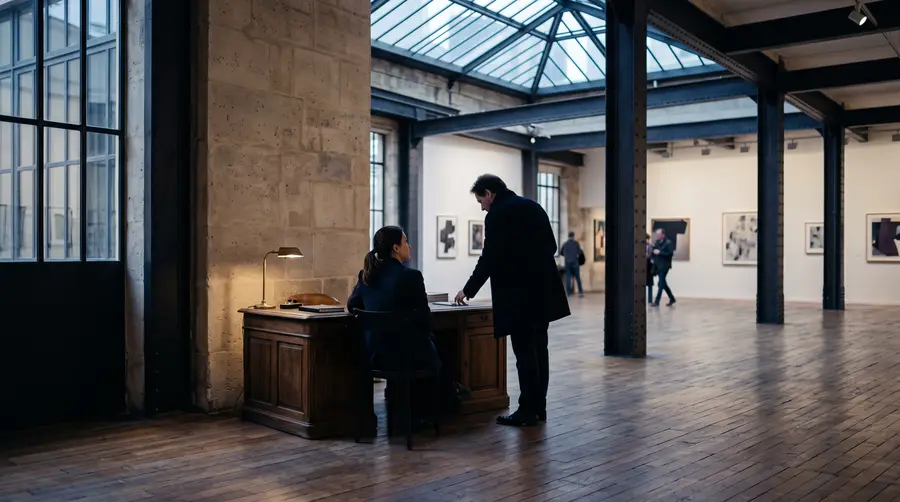
- 12:00Galleries in the Marais unlock after their own lunch, not before.
- 18:00Late nights: Louvre on Friday, Orsay on Thursday, Pompidou on most evenings.
- 19:30Curtain at the Palais Garnier and the Opéra Bastille.
- 23:00Jazz cellars in the fifth fill up, three sets a night, two of them after midnight.
The quarters
Where to walk
Four districts that between them cover most of what matters.
Rive Droite and the Louvre
The world's most visited museum, the Tuileries and an hour of queue you can avoid by booking a slot.
Marais
Picasso, Carnavalet, the Jewish quarter and forty galleries in courtyards you have to push a door to find.
Saint-Germain
The Orsay and the Orangerie on one side of the river, the jazz cellars of rue des Lombards on the other.
Belleville and the 20th
Studios, street art and the city's cheapest good concerts, well beyond the tourist perimeter.
The venues
7 rooms in Paris
Museums
 MuseumBook ahead
Paris · 1st arrondissement
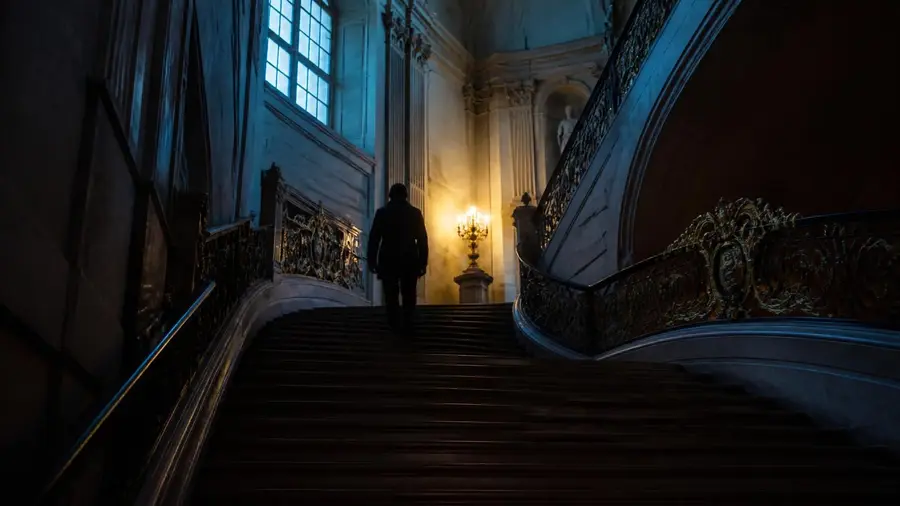
Musée du Louvre
A royal palace turned into the first public museum of the republic, and the most visited on earth
 Museum
Paris · 7th arrondissement
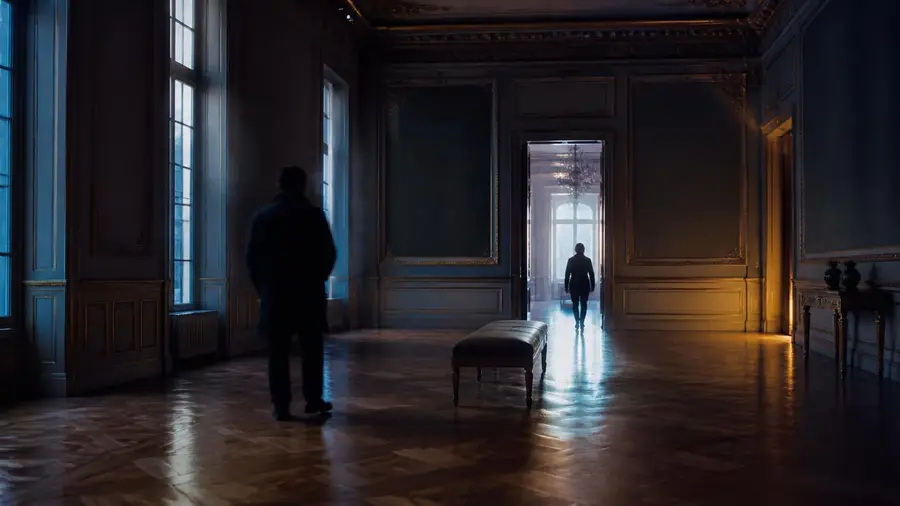
Musée d'Orsay
A Beaux-Arts railway station holding the world's best collection of impressionism
 Museum
Paris · Tuileries
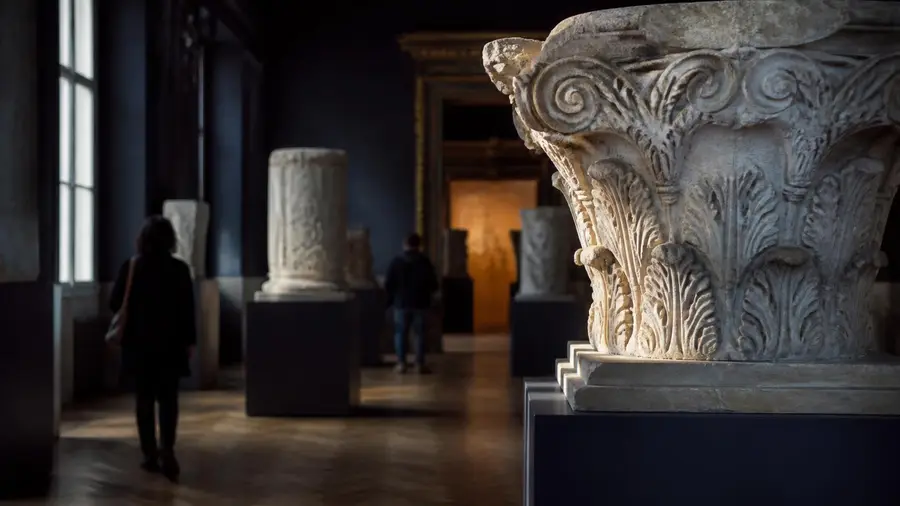
Musée de l'Orangerie
Two oval rooms built to Monet's specification to hold the Water Lilies
Opera and Ballet


Plan it
Forty-eight hours in Paris
Friday evening to Sunday afternoon, built from the venues above.
Questions
When is the Louvre quietest?
Wednesday and Friday evenings, when it stays open until nine and the tour groups have gone. Book a timed slot regardless; there is no other way in without an hour of queue.
Palais Garnier or Opéra Bastille?
Garnier for the ballet and the building, Bastille for the big opera productions and the acoustics. Garnier has restricted-view seats that are cheap and honest about it.
Are Paris galleries free?
Yes. The commercial galleries of the Marais and Saint-Germain cost nothing and show work you cannot see anywhere else. Push the door, say bonjour, look, say merci.
Next
Other cities
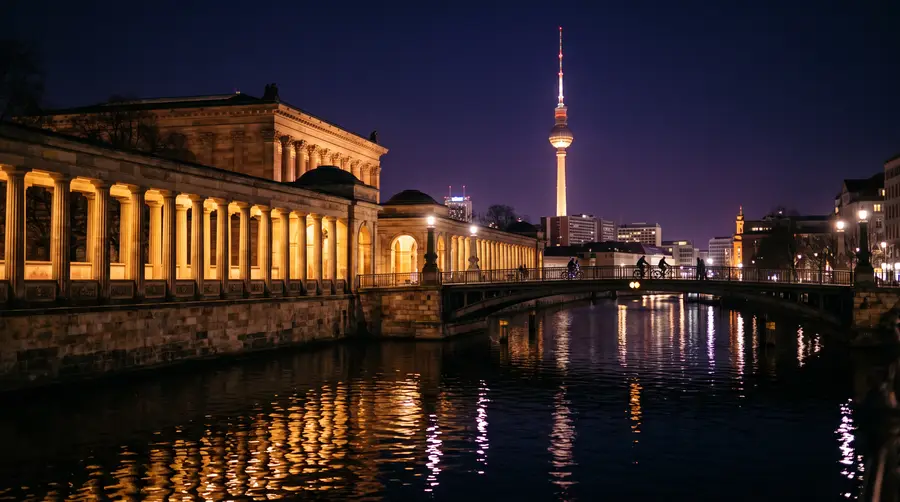 86
86Germany
Berlin
Three opera houses, five museums on one island and a club that never asks the time
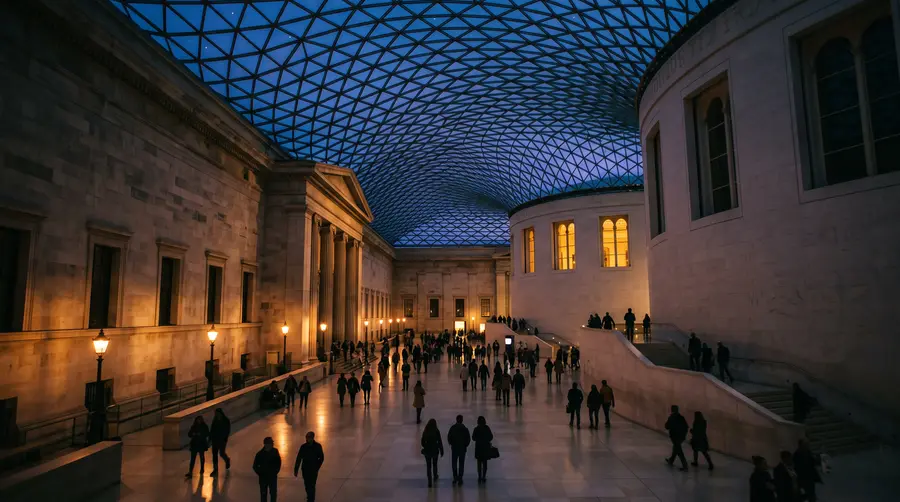 85
85United Kingdom
London
The greatest free collections on earth and the most expensive tickets in Europe
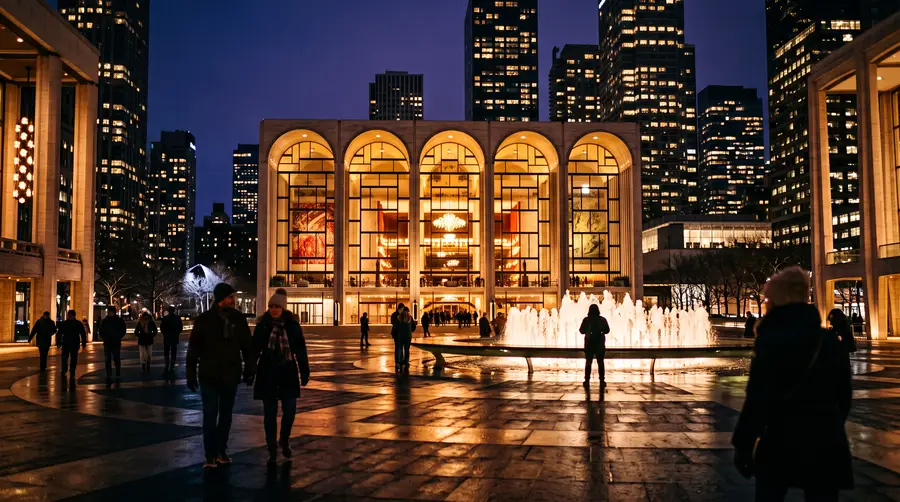 85
85United States
New York
Broadway, the Met and a downtown that reinvents the rules every decade
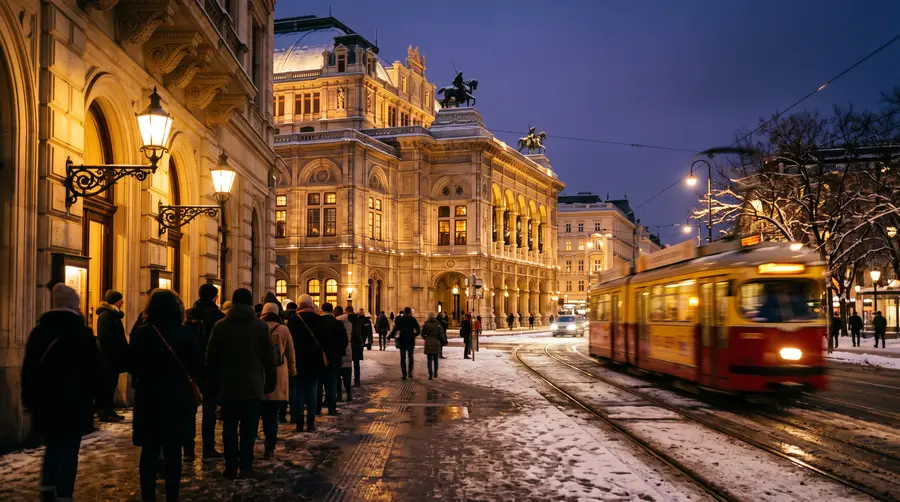 84
84Austria
Vienna
Standing room at the State Opera for the price of a coffee