
Portugal
Lisbon
A private collection worth a detour, a power station full of art and fado in a back room

The best-value culture city in western Europe: a world-class private collection, a riverfront of new museums and a song form you can only hear properly here.
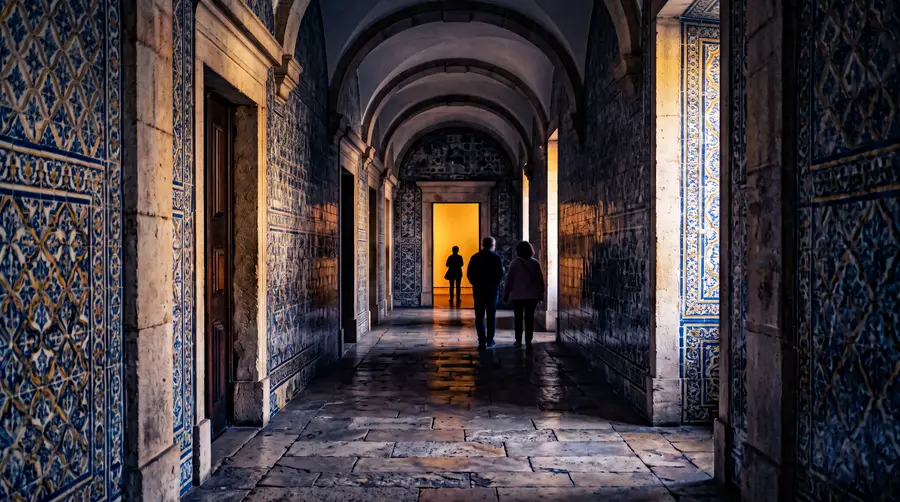
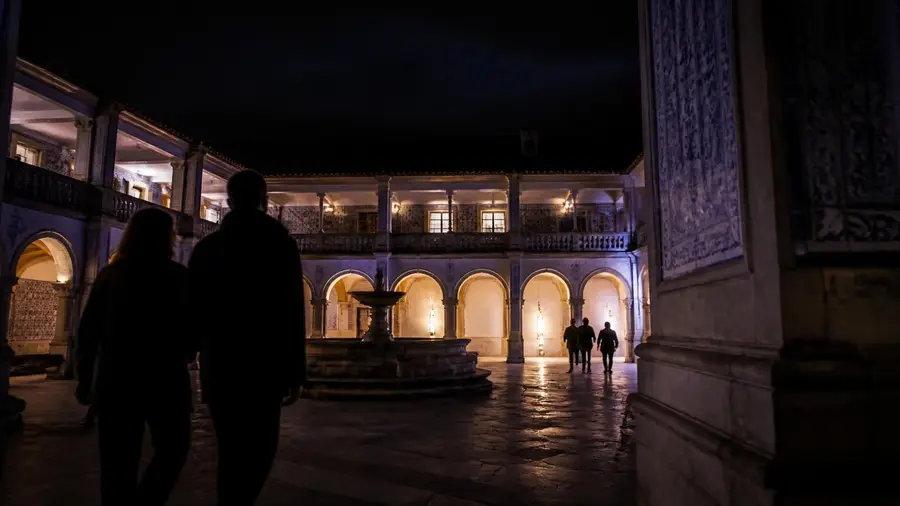
Calouste Gulbenkian left his art to Portugal and the country built him a museum in a park, which is why a modest walk from the Lisbon business district takes you to Egyptian bronzes, Persian carpets, a Rembrandt, a Rubens and the largest collection of Lalique jewellery anywhere. It is the single best reason to come, it is never crowded, and it costs about the price of two coffees in Copenhagen.
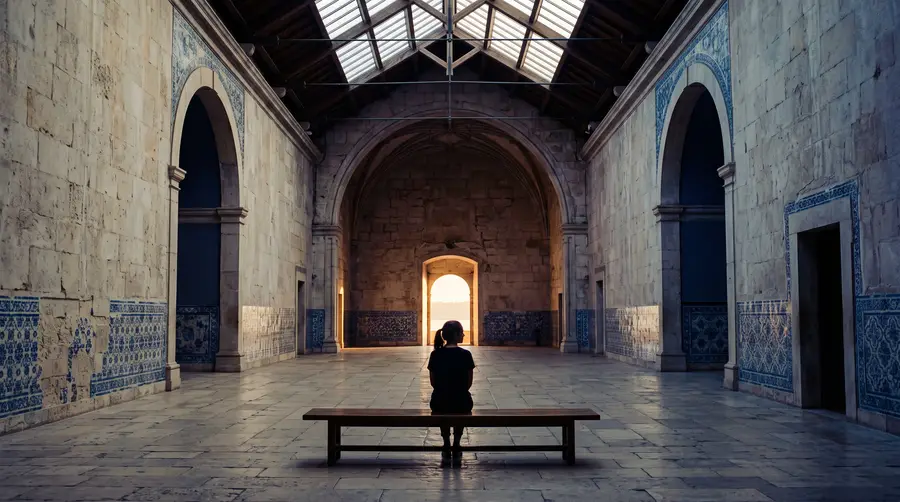
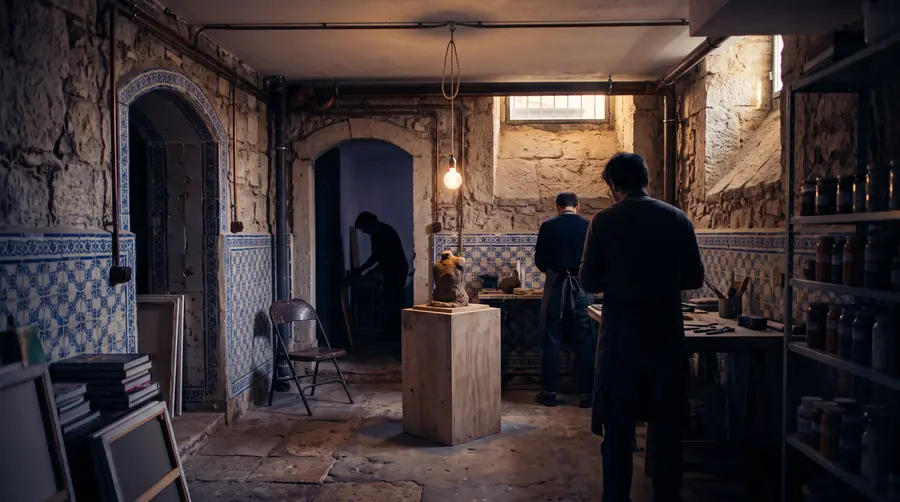
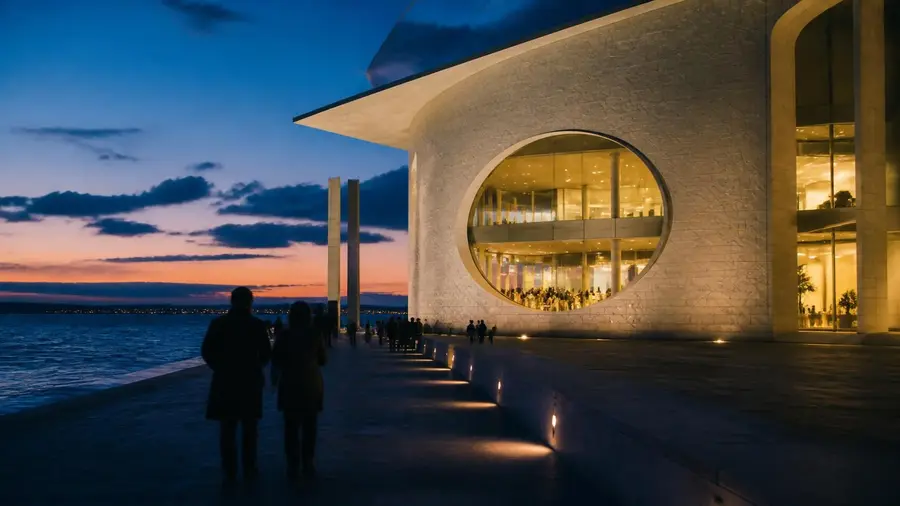
The riverfront handles the modern half. MAAT put a curved white gallery next to a preserved power station, the Berardo collection covers twentieth-century movements and the walk between them along the Tagus is one of the pleasures of the city. Belém also holds the monastery and the pastry shop, so plan for tourists before eleven and after four.
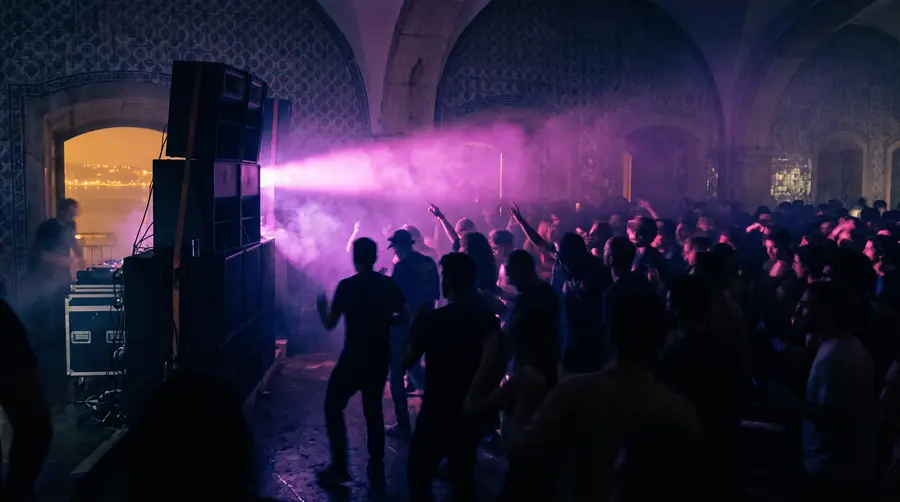
Fado is the thing you cannot get elsewhere. Skip the restaurants with a sign advertising it and find the small houses in Alfama where the room goes quiet, the lights drop and nobody serves during a song. It is a rule, not a courtesy, and it is what makes the form work.
The day
Lisbon hour by hour
When things open, when they fill and when the city changes shift.
- 10:00Gulbenkian opens, with a garden that residents use as a park and visitors rarely find.
- 14:00Belém, the MAAT and the riverside walk between them.
- 19:00Dinner early by Iberian standards, because fado starts at nine.
- 21:30Fado houses in Alfama. The good ones stop serving while the singing happens.
- 01:00Cais do Sodré and the clubs above the river.
The quarters
Where to walk
Four districts that between them cover most of what matters.
Belém
The Gulbenkian outpost, the Berardo collection, the MAAT power station and a monastery, all on the river.
Avenida and Gulbenkian
A private collection in its own park: Egyptian, Islamic, European and a room of Lalique.
Alfama
The oldest quarter, the fado houses and the hill that every tram photograph is taken on.
Cais do Sodré and Santos
Galleries in old warehouses, a pink street that used to be the port district, and the best late bars.
The venues
7 rooms in Lisbon
Museums
Opera and Ballet
Live Rooms and Clubs
Plan it
Forty-eight hours in Lisbon
Friday evening to Sunday afternoon, built from the venues above.
Questions
Where do I hear real fado?
The small houses of Alfama and Mouraria with a fixed evening price and no menu photographs outside. Silence during the singing is compulsory, not optional.
Is Lisbon cheap?
It is the best value in western Europe on this list: museums under fifteen euros, dinner under thirty, transport under two. Only the hotels have caught up with the rest of the continent.
Which museum if I only have one?
The Gulbenkian, without hesitation. If you want twentieth century instead, MAAT and the Berardo in Belém on the same afternoon.
Next
Other cities
 86
86Germany
Berlin
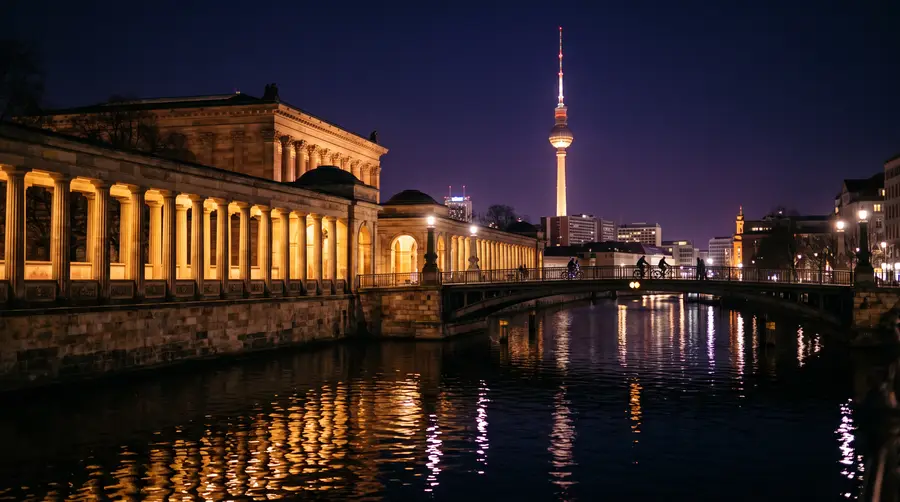
Three opera houses, five museums on one island and a club that never asks the time
 85
85United Kingdom
London
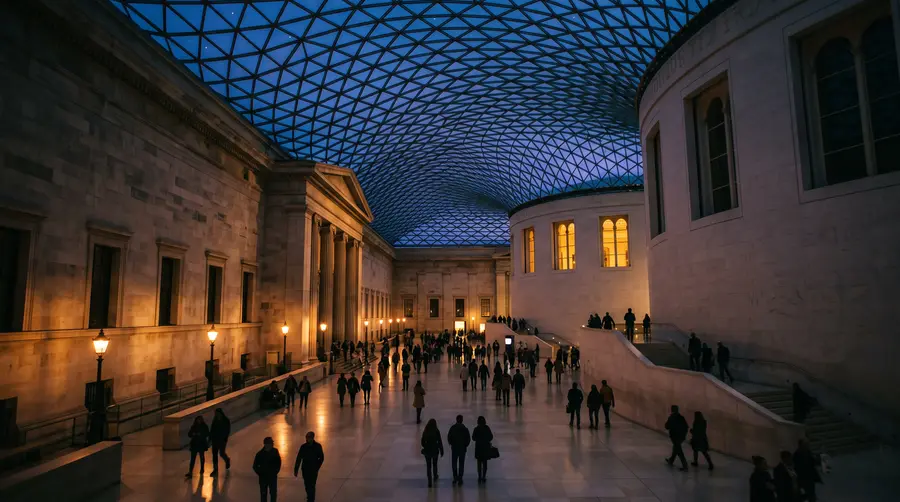
The greatest free collections on earth and the most expensive tickets in Europe
 82
82France
Paris
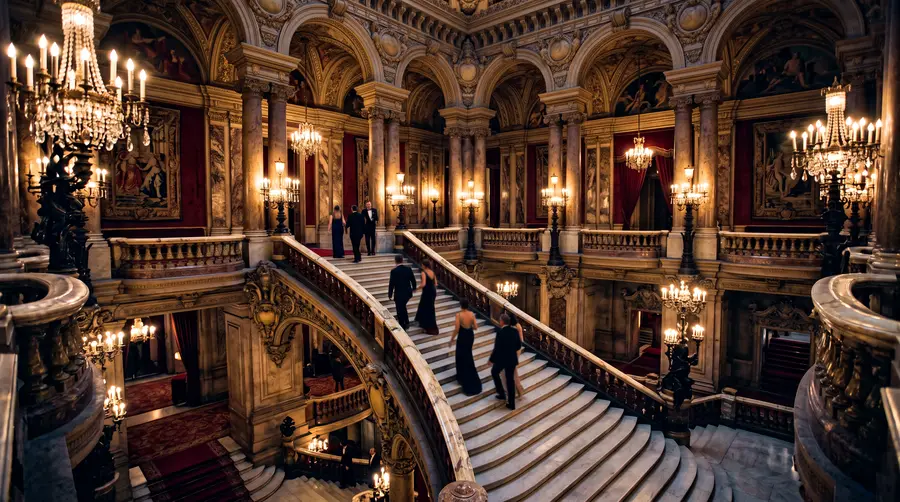
The museum as a state religion, and an opera house built to be looked at
 85
85United States
New York
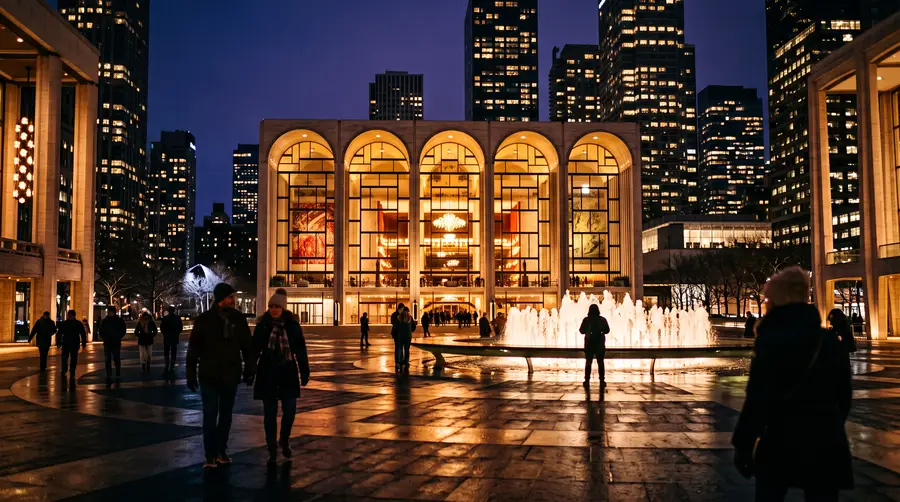
Broadway, the Met and a downtown that reinvents the rules every decade