Japan
Tokyo
Kabuki in the afternoon, teamLab after dark and jazz rooms the size of a lift
The most disciplined culture city in the world: everything starts on time, everything is clean, and the best rooms hold eleven people.
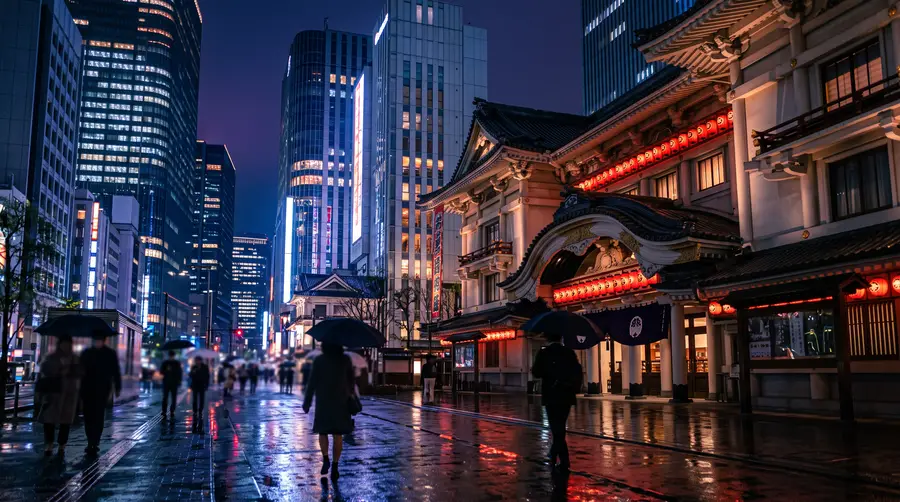
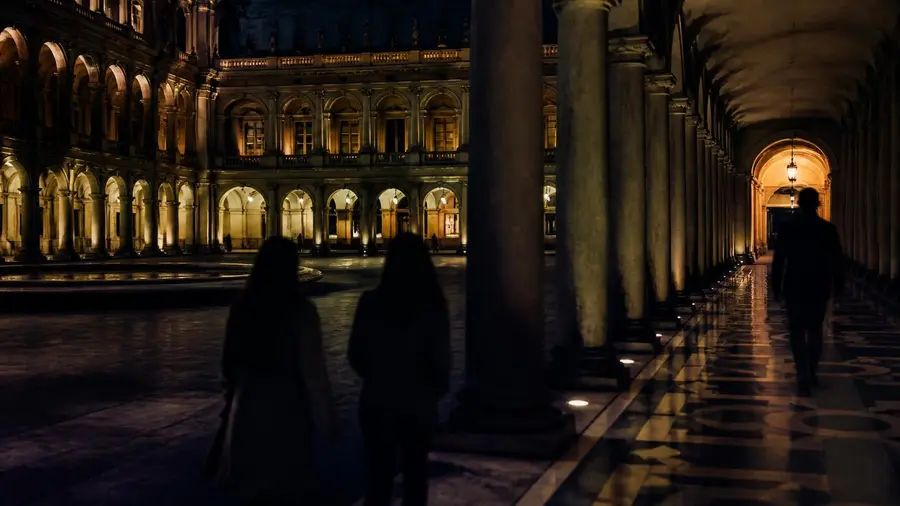
Tokyo runs two cultures in parallel and lets them ignore each other. One is institutional and immaculate: the national museums in Ueno, the kabuki theatre in Ginza with its four-hour programmes and single-act tickets for the impatient, the concert halls that start at seven sharp and end in time for the last train. The other is small, private and hidden behind unmarked doors on the fifth floor of buildings with no lift.
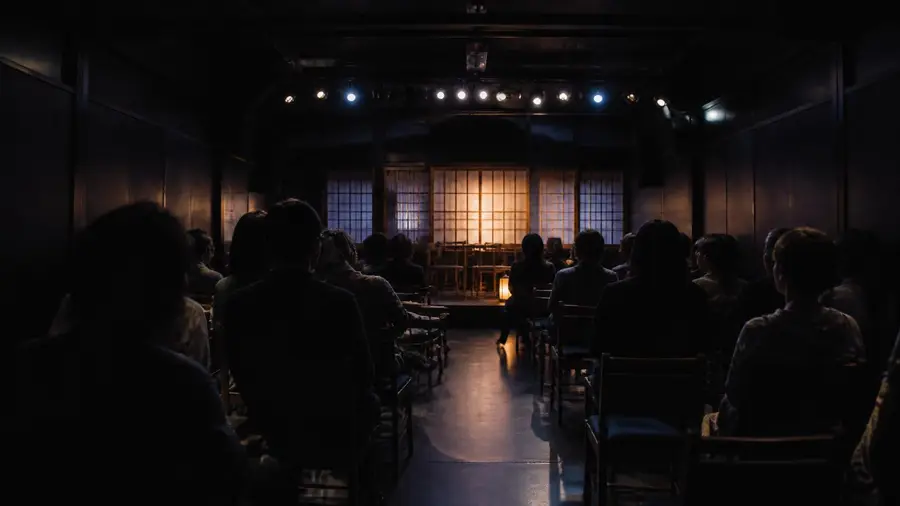
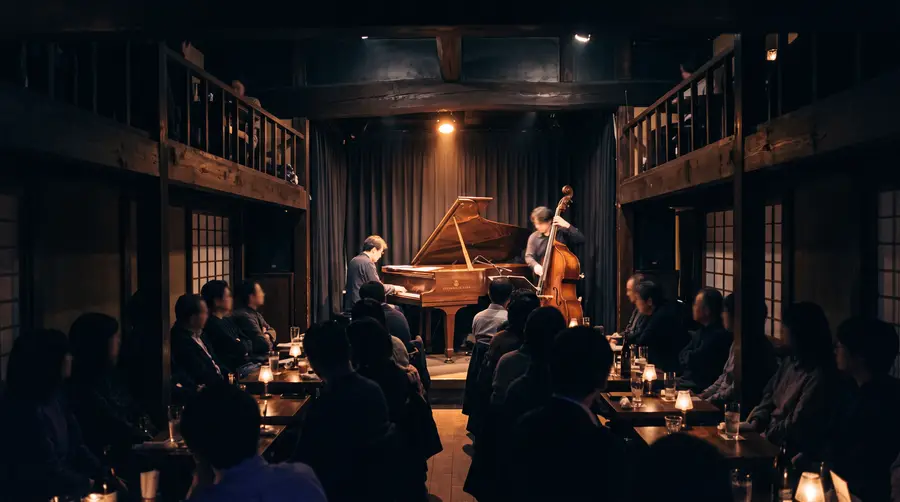
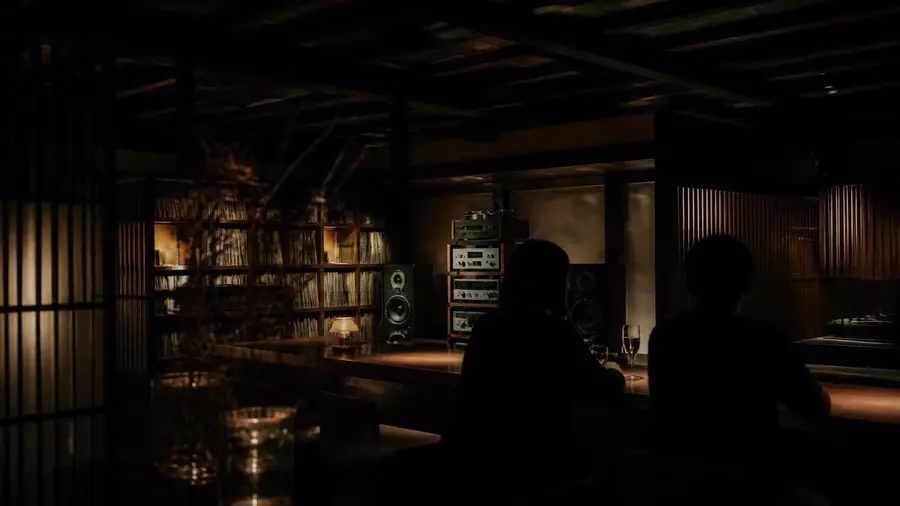
That second culture is the reason people come back. Jazz kissa where the owner chooses every record and conversation is discouraged, live houses that hold sixty people and book four bands a night, basement galleries above a noodle shop, and a listening bar culture that treats a hi-fi system as an instrument. None of it is on the tourist map, all of it is findable, and almost all of it is cheaper than the equivalent in Europe.
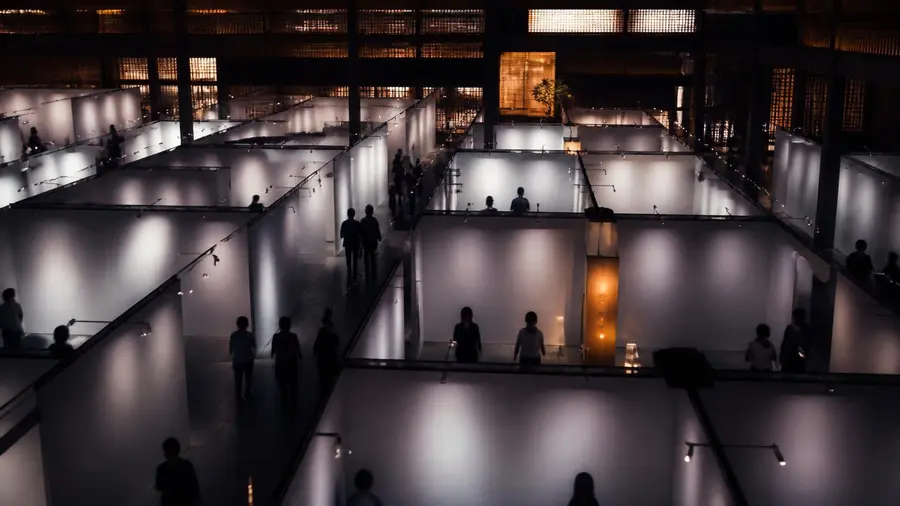
The city is also the best in the world at digital art. The teamLab installations turned immersive exhibitions from a novelty into an industry and still do it better than their imitators anywhere else.
The day
Tokyo hour by hour
When things open, when they fill and when the city changes shift.
- 10:00Museums open. Ueno park has four of them and a queue only on weekends.
- 11:00Kabuki matinee begins; single-act tickets are sold at the door for those who want ninety minutes rather than four hours.
- 18:00Roppongi galleries stay open until ten, which makes them an evening activity here and nowhere else.
- 19:30Live houses open doors. Sets are punctual, short and end before the trains stop.
- 00:30Trains stop. What happens after that happens until five.
The quarters
Where to walk
Four districts that between them cover most of what matters.
Ueno
Four national museums in one park, the oldest of them holding the imperial collection.
Roppongi
The art triangle: Mori, the National Art Center and Suntory, all open late, all within a walk.
Ginza and Higashi-Ginza
The kabuki theatre, department store galleries and the small basement jazz rooms.
Shibuya and Shimokitazawa
Live houses, second-hand record shops and the fringe theatre scene west of the centre.
The venues
7 rooms in Tokyo
Museums
Live Rooms and Clubs
Plan it
Forty-eight hours in Tokyo
Friday evening to Sunday afternoon, built from the venues above.
Questions
Do I need Japanese to enjoy the theatre?
No. Kabuki-za rents English audio guides, the national theatre subtitles, and live music needs no translation at all.
When do the trains stop?
Around half past midnight, and they restart at five. Plan to be home by then or plan to stay out the whole night; taxis are expensive enough to hurt.
Which museums are essential?
Tokyo National Museum in Ueno for the imperial collection, Mori Art Museum for contemporary work with a view, and one teamLab site for the thing Tokyo does better than anyone.
Next
Other cities
 86
86Germany
Berlin
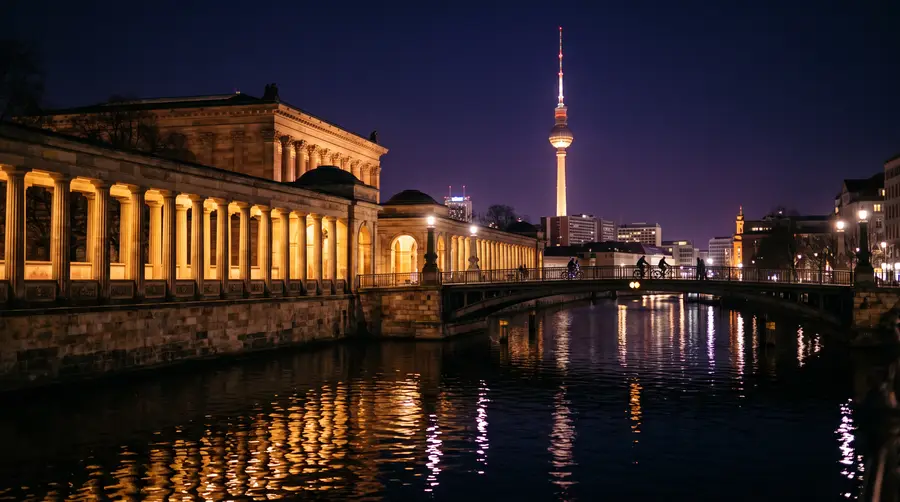
Three opera houses, five museums on one island and a club that never asks the time
 85
85United Kingdom
London
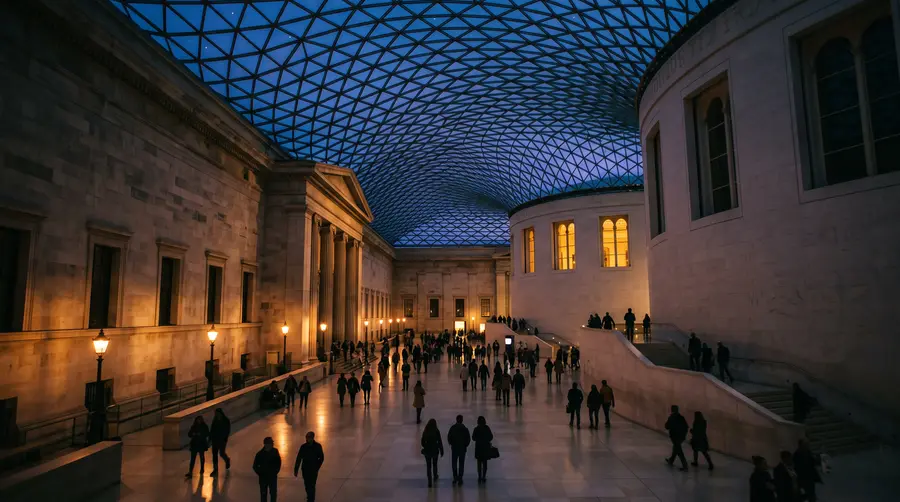
The greatest free collections on earth and the most expensive tickets in Europe
 82
82France
Paris
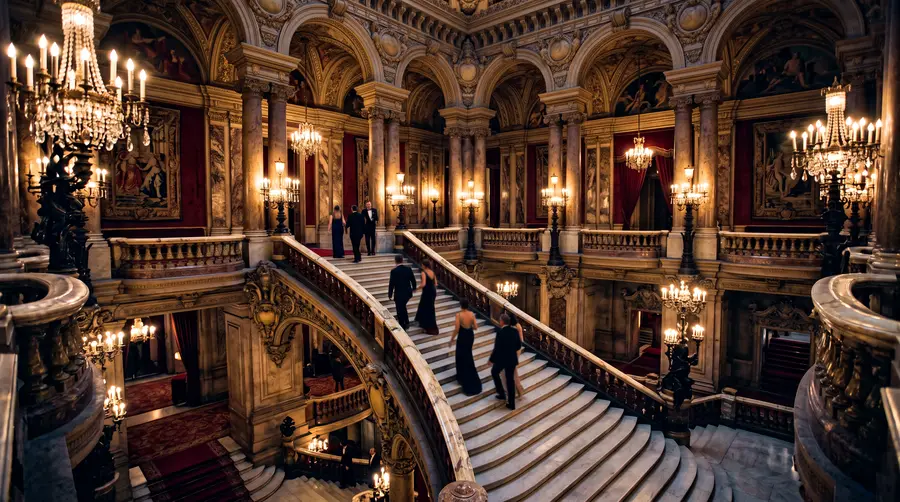
The museum as a state religion, and an opera house built to be looked at
 85
85United States
New York
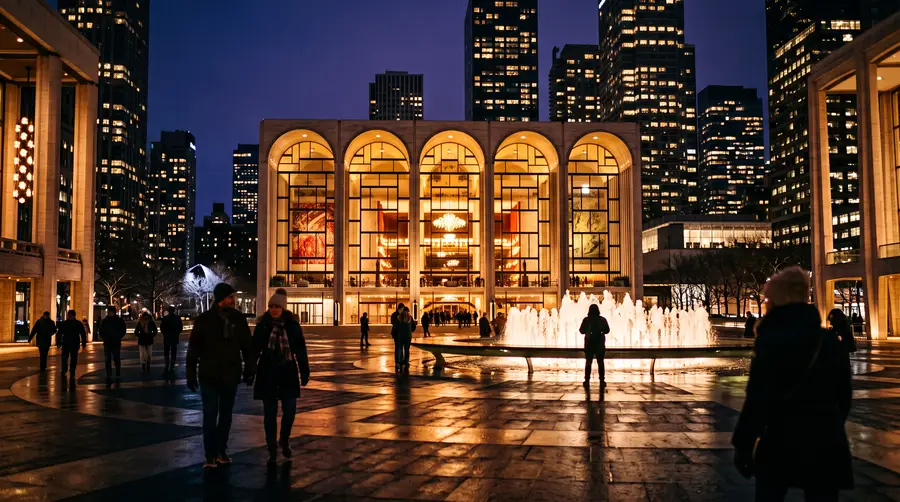
Broadway, the Met and a downtown that reinvents the rules every decade