Creatine is the best-studied dietary supplement in the world, and its effect goes far beyond bodybuilding: muscle preservation in old age, memory, sleep deprivation, vegetarians. What the studies show, which dose and form, and who should skip it.
In short
- Three to five grams of creatine monohydrate daily raise strength, muscle mass and performance in strength training by 5 to 15 percent.
- From 50 it helps preserve muscle mass and strength, especially combined with training; studies with over-65s are positive.
- For the brain: better memory in vegetarians, older people and under sleep deprivation.
- Safe with healthy kidneys, no loading phase needed, monohydrate is the only form you need.
What creatine is
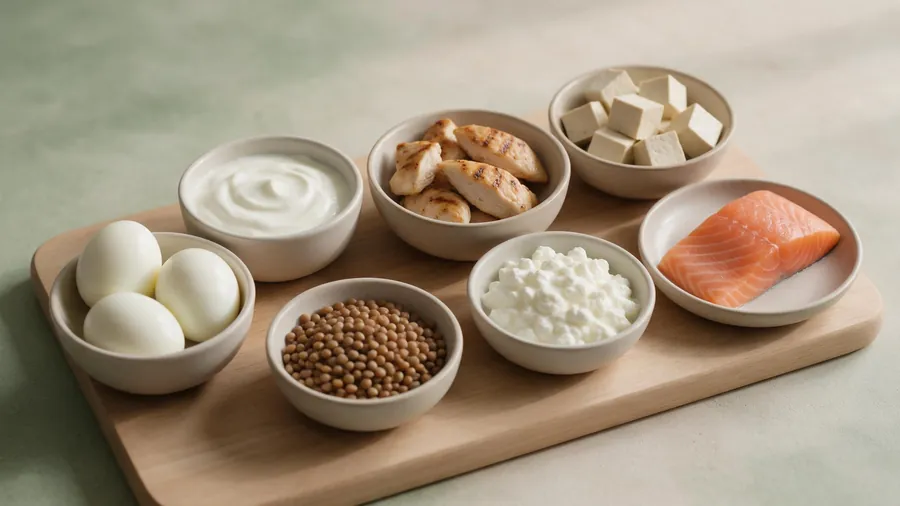
Creatine is a substance the body makes in liver and kidneys from amino acids and stores in muscle and brain as creatine phosphate. It delivers the energy in the first seconds of an effort to regenerate ATP, the cell’s energy carrier. Meat and fish contain about 3 to 5 grams per kilo; vegetarians and vegans therefore have lower stores. A supplement fills the stores to the maximum, and that has measurable effects across over 500 studies.
Muscle and strength
In strength training creatine raises performance in short, intense efforts by 5 to 15 percent, which over months leads to more muscle mass because more reps with more weight become possible. The effect is proven in younger and older people. For people over 50 that is decisive: in studies with 60- to 80-year-olds creatine plus strength training brought more muscle mass and strength than training alone and improved rising, stair climbing and balance.
Brain and sleep deprivation
The brain also uses creatine phosphate. Studies show improved memory and thinking performance after supplementation in vegetarians, whose stores are lower; in older people too, in young meat eaters hardly. Under sleep deprivation creatine measurably softens the drop in performance. Hints of effects in depression and after concussion are being studied.
Dose, form, intake
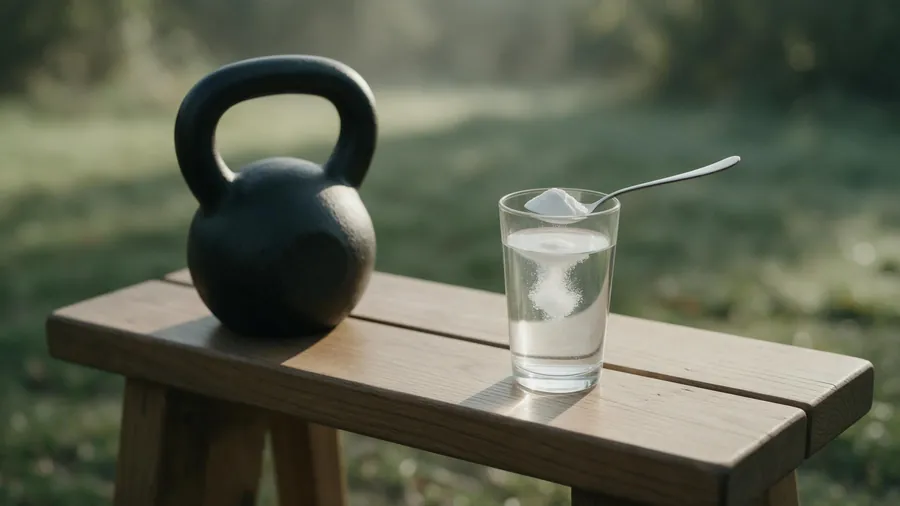
Three to five grams of creatine monohydrate daily, in water or juice, with a meal, at any time of day. A loading phase with 20 grams is possible but unnecessary; after three to four weeks of daily intake the stores are full anyway. Other forms, creatine HCl, Kre-Alkalyn, ethyl ester, are more expensive and not better supported. Monohydrate powder costs a few cents a day.
Safety and side effects
With healthy kidneys creatine is safe in long-term studies over years. The creatinine value in the blood rises slightly because creatine is broken down to creatinine; that is no kidney damage but should be known to the doctor. In the first weeks one to two kilos of water come into the muscles, that is storage, not fat. With kidney disease only with a doctor. Hair loss is a rumor from a single small study that larger ones have not confirmed.
Try it
Supplement CheckDiet, sun, age, sport, goals: which supplements make sense for you, which are optional and which you can skip.Protein CalculatorWeight, goal and activity: how much protein you need a day, how to spread it across meals and where it comes from.Fitness Age CalculatorResting heart rate, push-ups, one-leg stand, flexibility and grip strength: how old your body is functionally, in years.Frequently asked questions
Do I have to take creatine on rest days?
Yes, daily, because it is about full stores, not the moment. The time of day does not matter.
Will I gain weight from it?
One to two kilos of water in the muscles in the first weeks. That is intended and visible as fuller muscles, not as fat.
Is creatine useful for women?
Yes, the same effects on strength, muscle and brain, and hints of benefit in menopause when muscle and bone mass fall.
This article is general information and not medical advice. If you have symptoms or existing conditions, or before changing any medication, talk to your doctor.
Share