
Where it came from
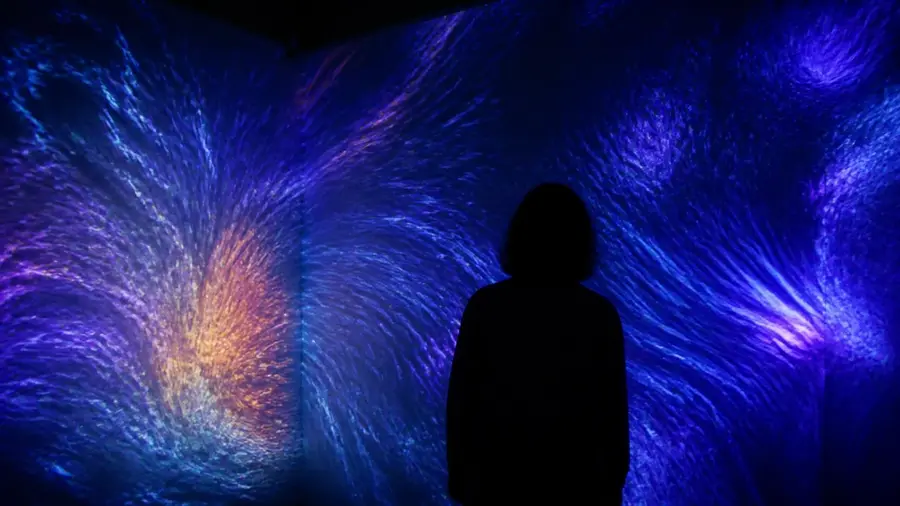
Two things happened at once: projectors got cheap, and audiences discovered that they wanted to be inside an image rather than in front of one. The result was a decade of immersive exhibitions, some of them made by artists and some by licensing companies with a rights deal and a rented hall.
How to tell them apart
Ask whether the work is generative or recorded. teamLab builds systems that respond to the people in the room and never repeat, which is why it holds up on a second visit. A projection show that loops every thirty-five minutes is a film you are standing up for.
What the good ones do
They use scale and response rather than magnification. The best rooms in this category change because you are in them, and they cannot be photographed in any way that resembles being there, which is both their strength and a marketing problem.
Where museums have answered
The Turbine Hall commissions, The Shed and the big kunsthalle spaces do the same thing with better funding and more curatorial argument. They are frequently more immersive than anything marketed with the word.
Practical
Wear flat shoes, avoid white, and expect mirrored floors. Book the last slot of the day, which is darker, calmer and less full of phone screens.