
Shorter than you think
Children reach museum fatigue faster than adults and show it more honestly. Ninety minutes is the outer limit for primary school age, forty-five is better, and a good short visit builds an appetite that a long one destroys.
One object each
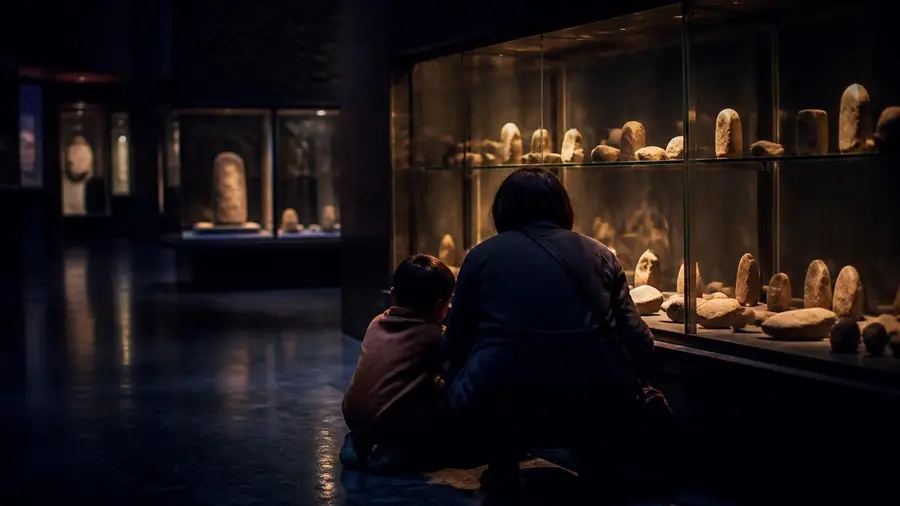
Before you go in, let every person in the group choose one thing to find, from the map or the website. The visit becomes a search rather than a march, arguments about direction end, and everyone remembers their own object afterwards.
Where it works especially well
The British Museum and the anthropology museum in Mexico City are both full of objects that need no explanation: mummies, gold, masks, weapons. teamLab is the best single cultural hour for a child in this guide. The Eye in Amsterdam lets them pull films from an archive and watch them in a pod.
Performance
Relaxed performances exist for exactly this and are listed at most subsidised theatres, as covered in the access guide. Matinees are shorter, cheaper and full of other families.
The shop and the café
Both are legitimate parts of the visit. Announce the shop as the end point, keep the budget fixed, and nobody negotiates in the gallery.