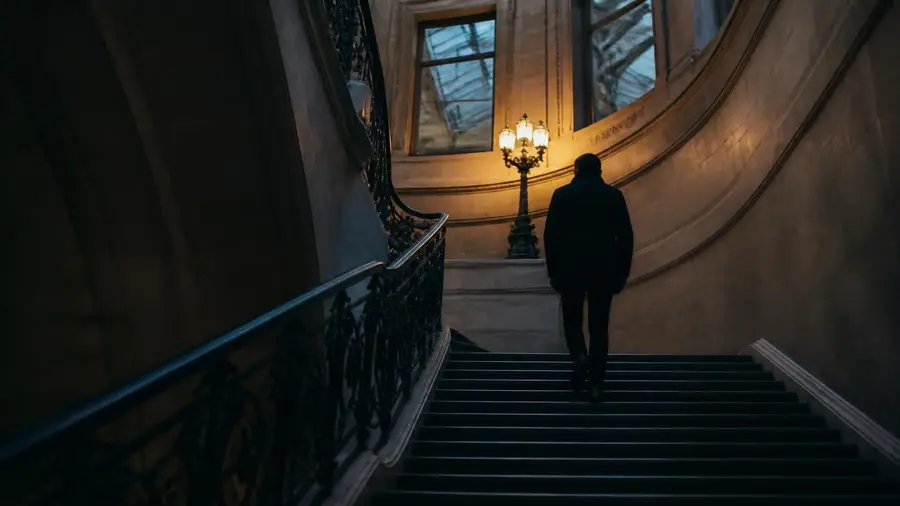
London · Bankside
Tate Modern
A power station on the Thames holding the national collection of modern art, free to enter
The Turbine Hall, five storeys of empty space filled by one commission a year
Giles Gilbert Scott built Bankside power station in the 1950s, it closed in 1981, and Herzog and de Meuron turned it into a museum in 2000 by mostly leaving it alone. The Turbine Hall, a hundred and fifty metres long and thirty-five high, is the largest gallery space in the world and hosts a single annual commission that has included a crack in the floor, an artificial sun and a slide from the top floor.
The permanent collection is free and arranged thematically rather than chronologically, which irritates purists and works well for anyone who is not one. The Blavatnik extension added a viewing level with one of the best free views in London.
The detail
Good to know
- Building
- Bankside power station, converted 2000
- Admission
- Free, exhibitions ticketed
- Turbine Hall
- 155 metres long
- Late
- Friday and Saturday until 22:00
More in London
Three more rooms in London
 MuseumFree
London · Bloomsbury
The British Museum
Eight million objects, two and a half centuries of argument and no admission charge
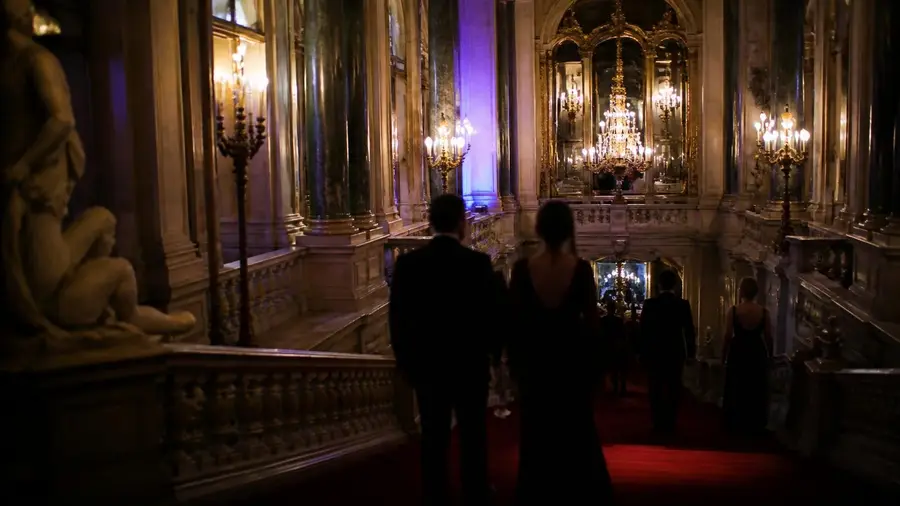 Opera houseBook ahead
London · Covent Garden
Royal Opera House
The third theatre on this site, home to two of the world's leading companies
 Theatre
London · South Bank
National Theatre
Denys Lasdun's concrete terraces on the river, three stages and a free foyer that never closes
Museums
Elsewhere: museums
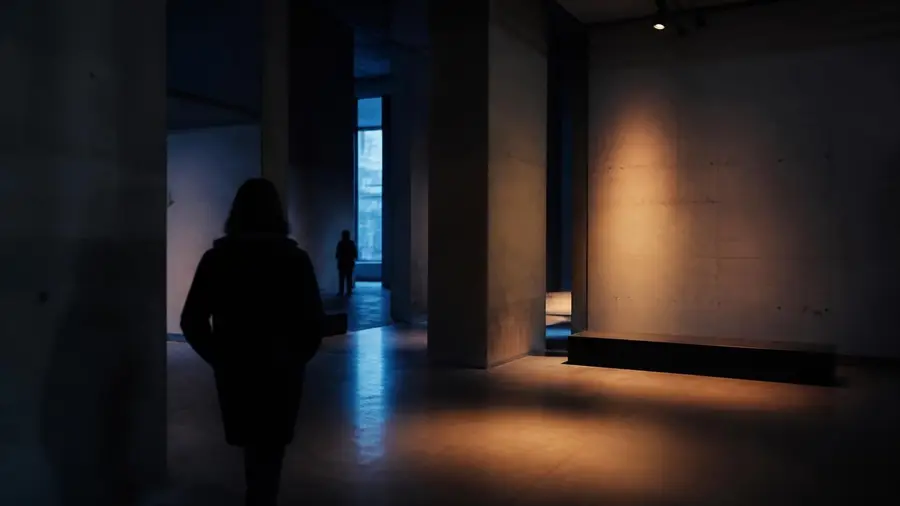 MuseumIcon
Berlin · Mitte
Museumsinsel
Five museums on one sandbank in the Spree, built to hold an empire's idea of itself
 Museum
Berlin · Moabit
Hamburger Bahnhof
A nineteenth-century railway terminus holding the contemporary collection of the nation
MuseumFreeLondon · Bloomsbury
The British Museum
Eight million objects, two and a half centuries of argument and no admission charge