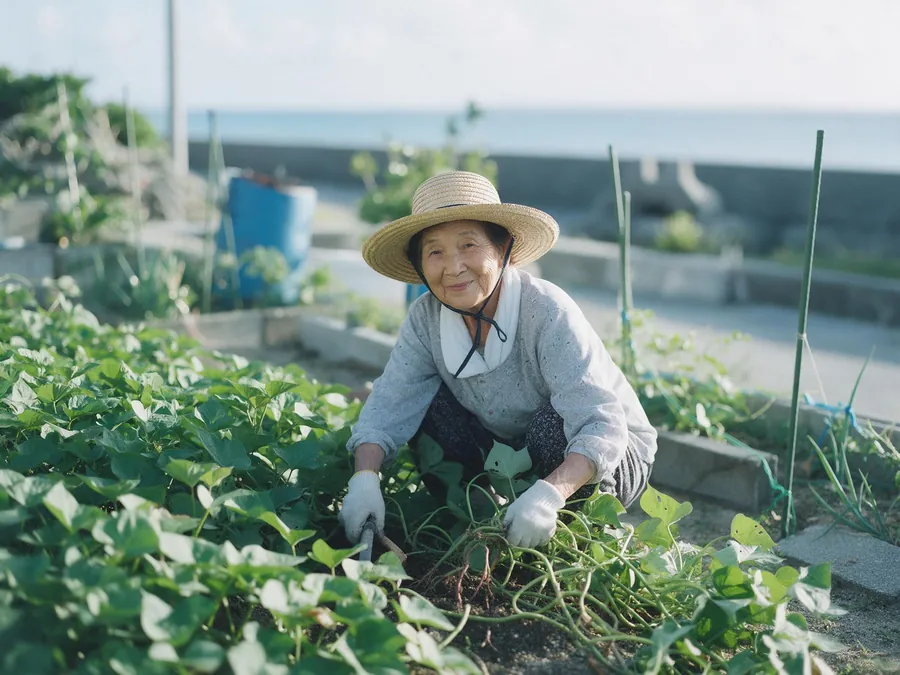
South Korea has raised its life expectancy by more than twenty years in fifty years and now sits at the top of the world. Kimchi and vegetables at every meal, very little obesity, hiking as a national sport and a screening program that invites everyone every two years from age 40.
The short answer
The fastest catch-up in the world, carried by vegetables, fermented food, little excess weight and a screening system that finds cancer early. The lesson: screening as routine, vegetables as the base.
What you can adopt
- Bring fermented vegetables into daily life: kimchi, sauerkraut or pickled vegetables deliver fiber and lactic acid bacteria for the gut.
- The banchan principle: many small vegetable dishes at every meal, meat is a side, not the center.
- Hiking in the city: Seoul has mountains in the middle of the city; whoever has none takes stairs and hills.
- Screening the Korean way: check-up every two years from 40, take stomach and bowel cancer screening seriously.
Life and daily routine
South Korea is the success story of life expectancy: in 1970 people reached 62 years, today 83.7, women over 86. No other country has caught up so much so fast. The reasons are prosperity, a health system with a nationwide screening program, a diet that keeps vegetables at the center, and an obesity rate that at 5.5 percent is among the lowest in the world.
Food
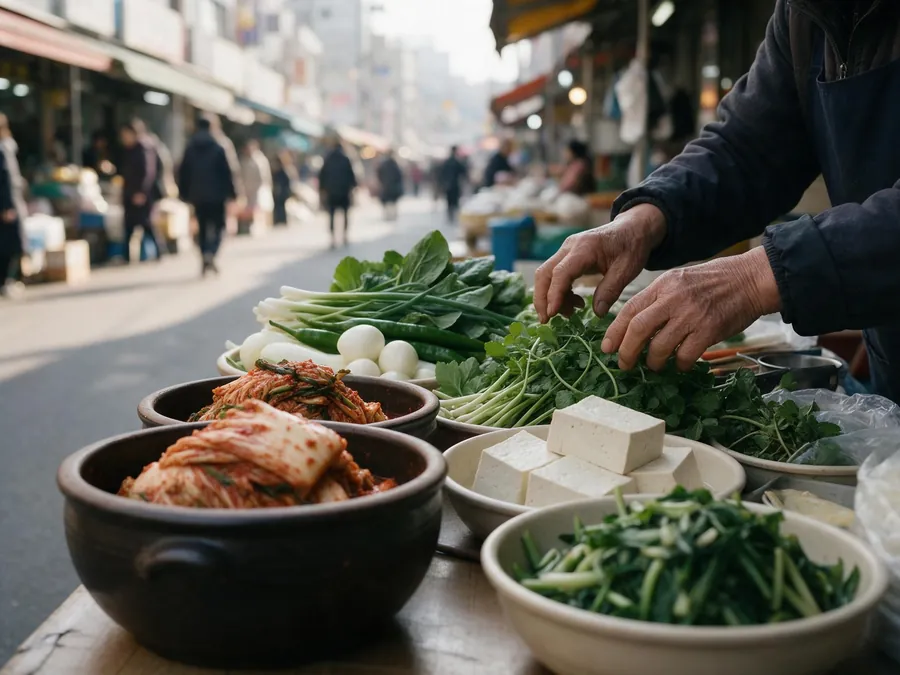
A Korean meal consists of rice, soup and many small side dishes, the banchan: kimchi, pickled vegetables, sprouts, seaweed, tofu. Meat is a side, not the center. Fermented foods like kimchi, doenjang and gochujang deliver lactic acid bacteria and fiber. The downside is the salt content, which is why high blood pressure and stomach cancer are more common than in Europe, and why Korea screens for both systematically.
Movement and community
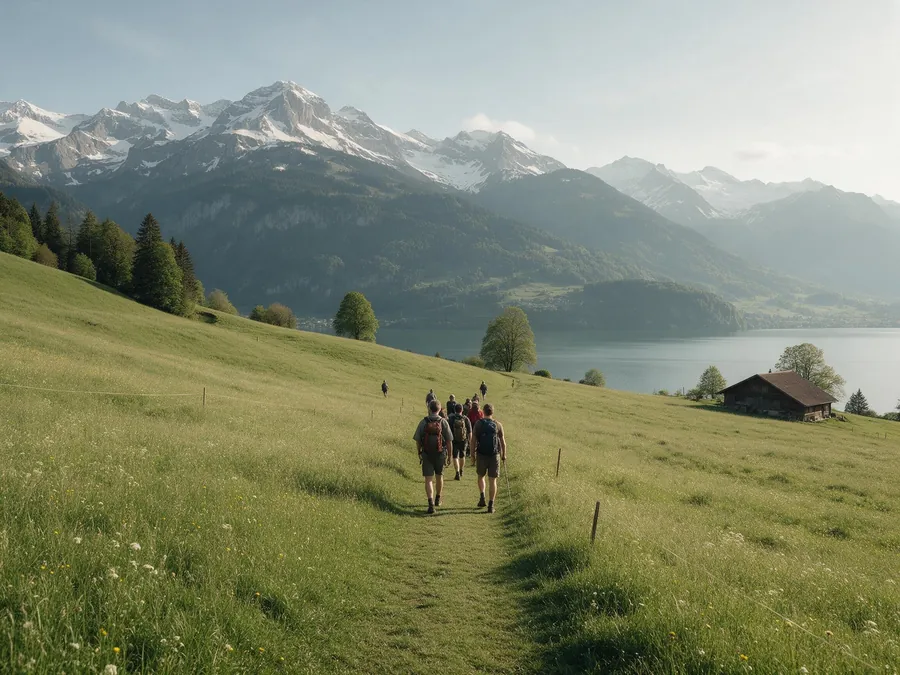
Hiking is the national sport: Seoul lies between mountains, and at weekends the trails fill with all generations. Nearly every park has fitness equipment that retirees use in the morning. Add a culture of screening: from 40 the state invites everyone to a check-up every two years, including stomach cancer and, from 50, bowel cancer screening, and most people go.
What we can adopt
The banchan principle works at home: three to four small vegetable dishes at every meal, one of them fermented. Movement on hills and stairs, fitness equipment in the park, and screening as an appointment you do not postpone.
For travellers
Whoever travels to Korea should climb a city mountain, visit a jjimjilbang with hot and cold pools and eat through the banchan. Watch the salt and the alcohol: soju is poured generously.
Try it
Longevity ScoreTwelve questions about sleep, movement, food, stress and habits: your estimated biological age and the three levers with the biggest effect.Vitamin D CalculatorMonth, city, skin type, minutes and how much skin is exposed: how much vitamin D your skin makes and whether it is enough in winter.Frequently asked questions
Why did life expectancy in Korea rise so fast?
Prosperity, universal health insurance since 1989, a screening program with high participation, a falling smoking rate and a diet that has stayed vegetable-rich despite modernization.
Is kimchi really healthy?
Kimchi delivers fiber, vitamins and lactic acid bacteria and is linked with a better gut flora. The salt content is high; a small portion daily makes sense, a large one does not.
What is special about the screening?
It is the same for everyone, free, with an invitation, and it covers screening for stomach, bowel, liver and breast cancer. Mortality from stomach cancer has fallen sharply despite a high incidence.
Share