Japan has the highest life expectancy in the world and the most centenarians per capita. The reason is no secret: small portions, plenty of fish and soy, movement built into daily life, a health system with an annual check-up and a sense of purpose called ikigai.
The short answer
World leader in life expectancy and healthy years, with the lowest obesity rate of all industrialized countries. The lesson: portion, plants, fish, everyday movement, purpose.
What you can adopt
- Practice hara hachi bu: eat slowly and stop before you feel full; that cuts calories by 15 to 20 percent without counting.
- Fish two to three times a week, plus soy as tofu, edamame or miso: the combination delivers omega-3 and plant protein.
- Green tea instead of soft drinks: three cups a day are linked in cohort studies with fewer cardiovascular deaths.
- Adopt the annual Japanese health check: blood pressure, blood tests, waist circumference once a year, values in view.
Life and daily routine
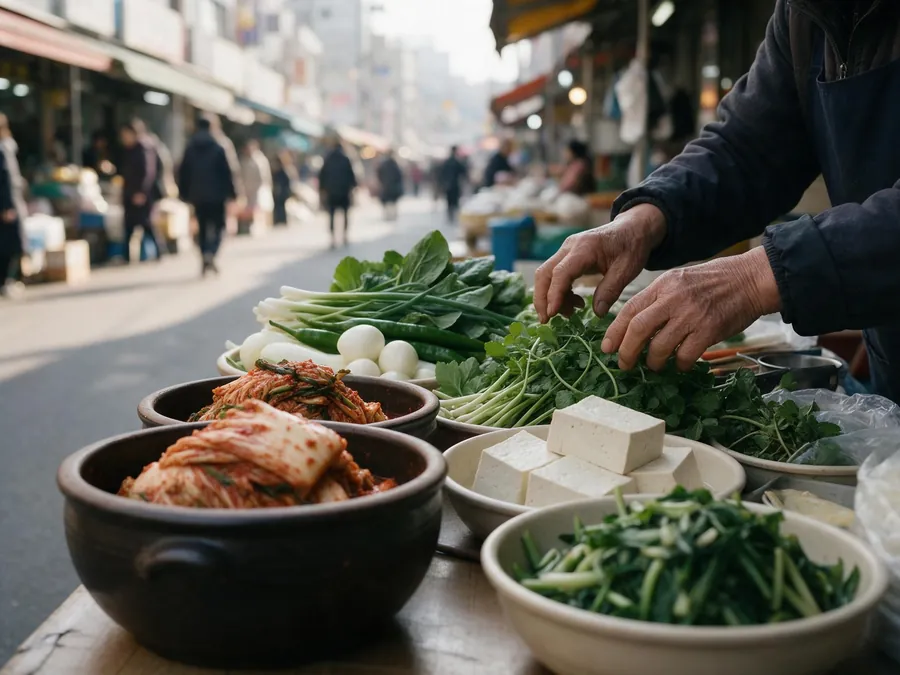
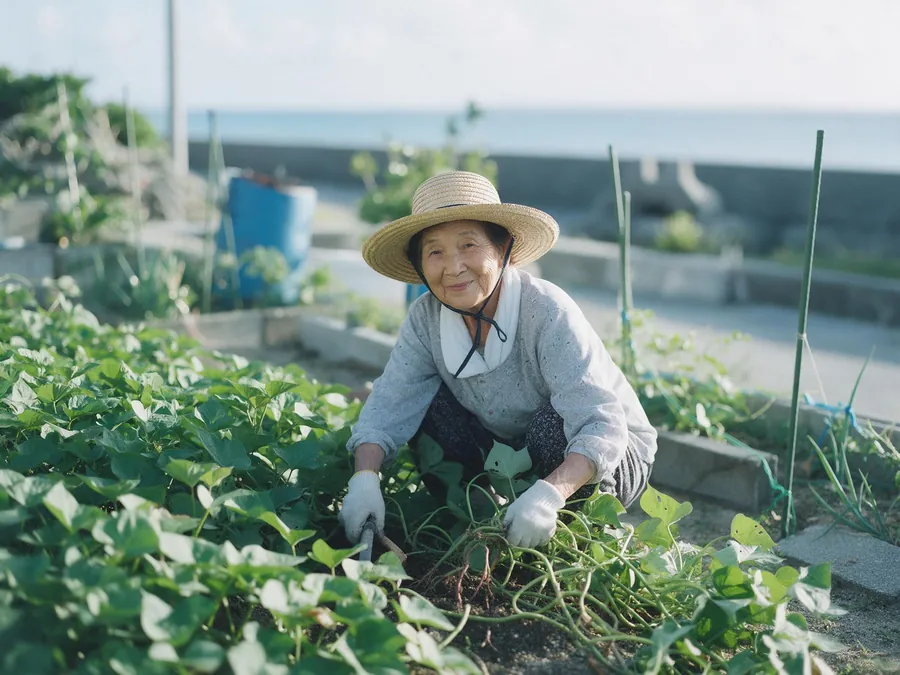
Japanese people live to 84.8 years on average and spend a good 74 of them without significant limitation. Okinawa prefecture is one of the five Blue Zones, the regions with strikingly many centenarians. What stands out there is not asceticism but moderation: small bowls, many courses, little meat, hardly any sugar, a garden that demands movement every day, and a social net called moai, a group of friends who carry each other for life.
Food
Traditional Japanese cuisine delivers plenty of fish, soy, vegetables, seaweed, fermented foods and rice. It is low in saturated fat and added sugar. On Okinawa sweet potatoes, not rice, were the main calorie source for a long time. The rule hara hachi bu, eating until eighty percent full, lowers energy intake without anyone counting calories, and it is the simplest reason why the obesity rate of 4.5 percent is a fraction of the American one.
Movement and community
Japanese daily life is full of movement: trains, stairs, walking, cycling, gardening. Retirees often keep working part-time or volunteering, because a reason to get up, the ikigai, counts as part of health. Studies from Okinawa and from the national cohort show that people who can name a purpose in life have a markedly lower mortality risk, independent of blood values.
What we can adopt
Not the seaweed but the structure: smaller plates, fish as the default rather than the exception, soy as a protein source, green tea instead of lemonade, a garden or a daily walk, a fixed group of friends and a reason to get up in the morning. Plus the annual health check that is mandatory for Japanese employees and makes the silent danger visible early with waist circumference, blood pressure and blood tests.
For travellers
Whoever travels to Japan should use the convenience store shelves with onigiri, edamame and unsweetened tea, plan 15,000 steps a day and go to the onsen: hot bath, cold pool, rest. That is contrast therapy in its most beautiful form.
Try it
Longevity ScoreTwelve questions about sleep, movement, food, stress and habits: your estimated biological age and the three levers with the biggest effect.Vitamin D CalculatorMonth, city, skin type, minutes and how much skin is exposed: how much vitamin D your skin makes and whether it is enough in winter.Frequently asked questions
Why do Japanese people live so long?
A combination of a diet low in saturated fat and sugar, small portions, plenty of everyday movement, a low obesity rate, universal screening and strong social ties. Genetics plays a smaller role than people think: Japanese who emigrate and eat a Western diet lose the advantage.
Is the Japanese diet healthy for us too?
Yes, in its structure: fish, soy, vegetables, fermented foods, little meat and sugar. Watch the high salt content in soy sauce and miso; high blood pressure is common in Japan because of it.
What is ikigai?
The reason to get up in the morning: a purpose that comes from what you can do, love, what is needed and what you are recognized for. On Okinawa there is no word for retirement.
Share