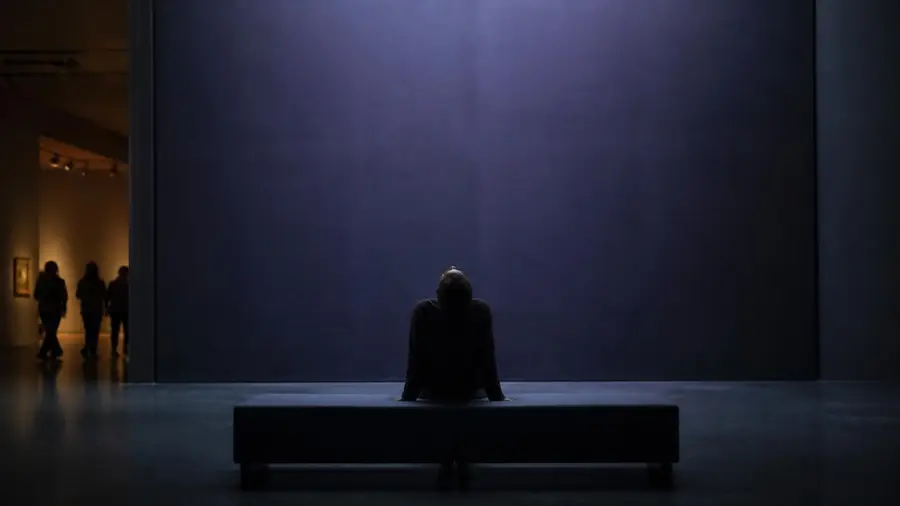

The effect has a name and a date
Benjamin Gilman described museum fatigue in 1916, and the research since has been consistent: attention and retention fall sharply after roughly forty-five minutes and are close to useless after ninety. Visitors slow down, stop reading labels and start walking through rooms rather than into them.
What that means for a big museum
The Louvre, the Met and the British Museum each hold more than any human can absorb, and attempting them whole guarantees that you will remember nothing. The alternative is to treat a large museum as a set of small ones and visit a single department properly.
A method that works
Choose two rooms before you go in. Sit down in front of something for ten minutes, which feels absurd for the first three and then stops feeling like anything. Skip whatever has a crowd in front of it and come back at closing time. Leave while you still like it, and use the Museum Time tool to plan honest hours rather than optimistic ones.
The physical part
Standing still on hard floors is more tiring than walking, which is why museum tiredness feels different from other kinds. Every major museum has benches and almost nobody uses them. Sit every twenty minutes, drink water, and take the café break before you need it rather than after.
Two museums a day is the ceiling
Three is a photography exercise. If you have a week in a city, one museum a day and a gallery district in the afternoon will leave you with more than five days of institutional sprinting, and it costs less.