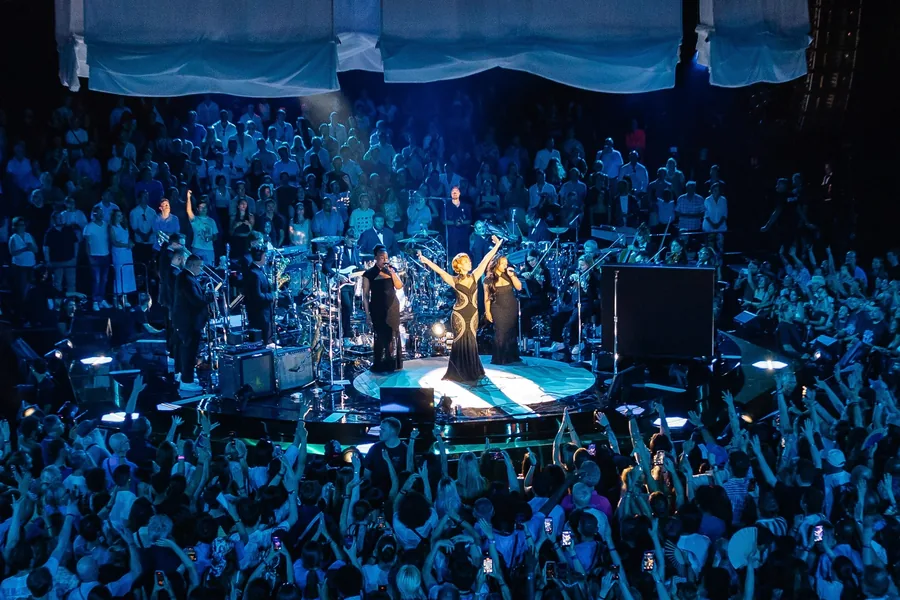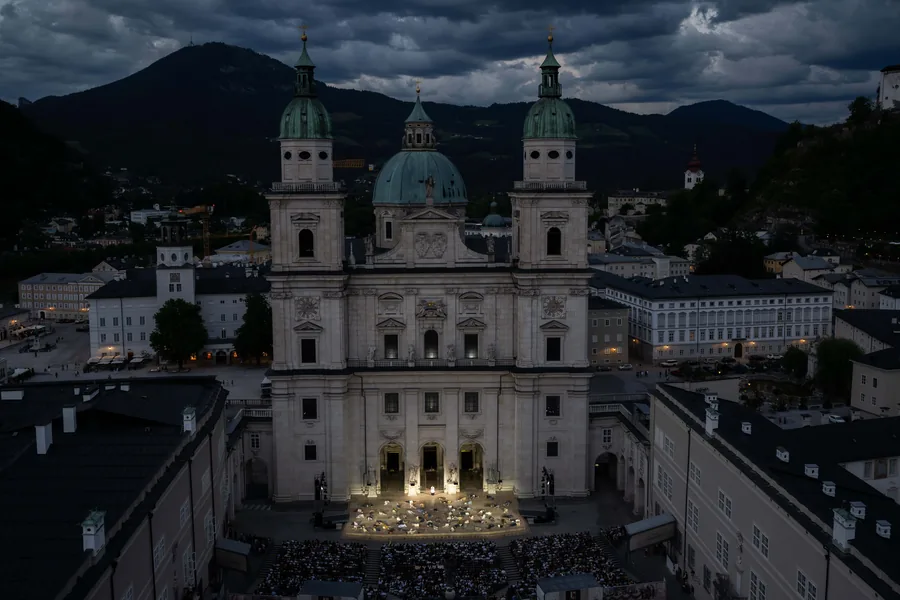
When the 106th Salzburger Festspiele ended on 30 August, the festival had staged 172 performances in 45 days at 19 venues, plus 37 more in its youth programme jung & jede*r. Two days before the close the house published its closing report, and the headline figures are the kind most festivals can only hope for: for all 209 performances together it expected an occupancy above 99 per cent, and more than 261,300 guests from 84 countries.
Who came, and from where
Of those 84 countries, 44 lie outside Europe. Austria leads the list, followed by Germany, the United States, Switzerland, Japan, France, the United Kingdom, Italy, Spain and South Korea. The home crowd still matters: 28 per cent of all tickets were bought in the city and state of Salzburg. The busiest single day was 22 August, with 9,143 people at festival events, and ticket income for the summer came to 31.45 million euros net. On top of the ticketed programme, more than 60,000 people came to the free screenings of the Siemens Festspiel Nächte and to the open-air events of the opening festival.
The directorate, Kristina Hammer, Karin Bergmann and Lukas Crepaz, speaks of an exceptional artistic programme that also exceeded every commercial expectation, and of an audience that celebrated its artists with standing ovations after almost every performance.
Nine operas, three of them new
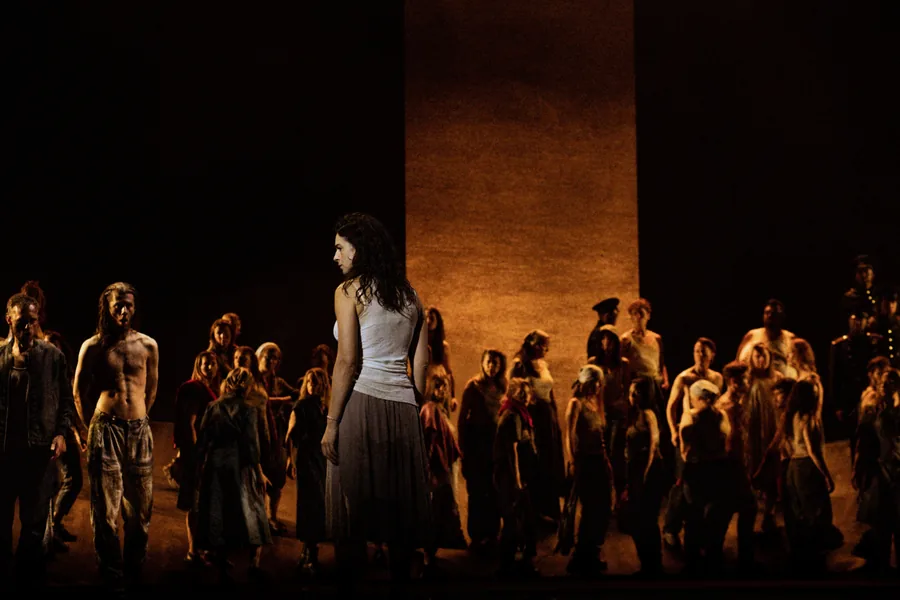
Opera was led by three new productions: Carmen, Ariadne auf Naxos and Saint François d'Assise. Il viaggio a Reims returned, Così fan tutte was newly rehearsed, Lucio Silla was given semi-staged, and Passion, Werther and Der Prinz von Homburg in concert. The last of these marked the 100th birthdays of Ingeborg Bachmann and Hans Werner Henze, and it was one of the few chances in 2026 to hear a music theatre work by Henze at all. Carmen, with Asmik Grigorian in the title role, also drew a crowd outside the theatre: on 8 August more than 4,000 people watched the relay on the Kapitelplatz.
Handke, Jelinek and an extra Faust
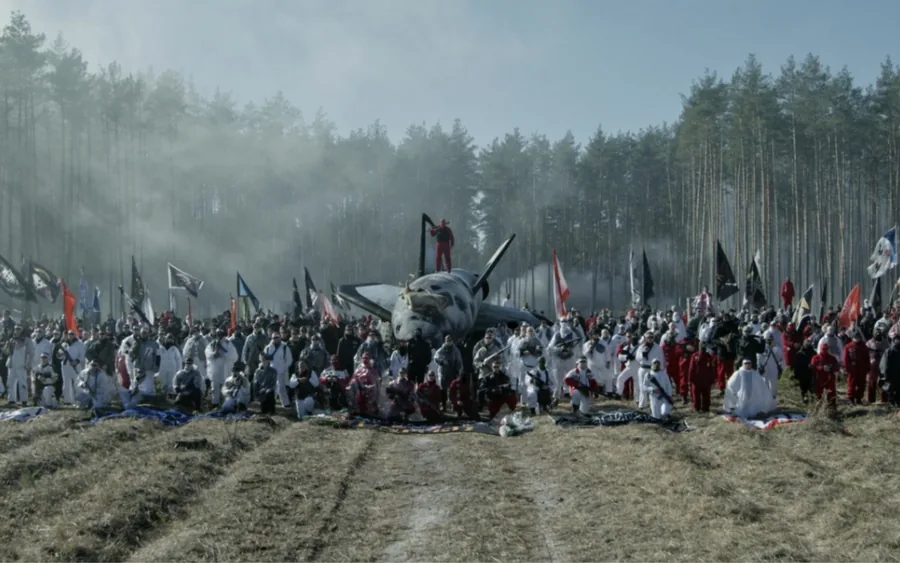
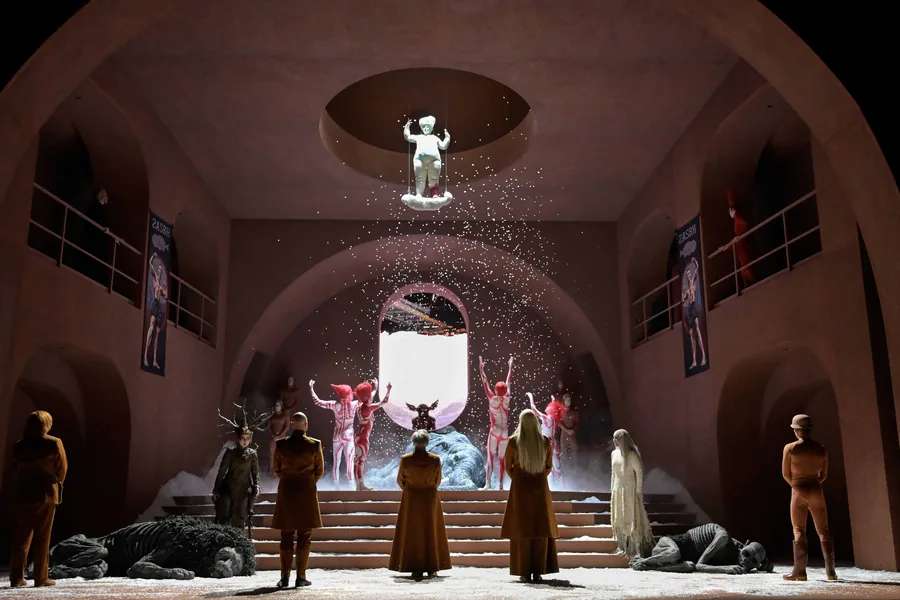
The drama programme brought two world premieres, Peter Handke's Schnee von gestern, Schnee von morgen and Elfriede Jelinek's Unter Tieren, alongside new productions of Faust I and Der Menschenfeind, the guest performances De Profundis and Europa and the revival of Jedermann. Demand for Faust I was so high that an extra performance was added at short notice. Jedermann played 15 times: eight times on the Domplatz, five times in the Großes Festspielhaus, and twice the performance moved from the square into the hall.
Concerts, honours and a last sculpture
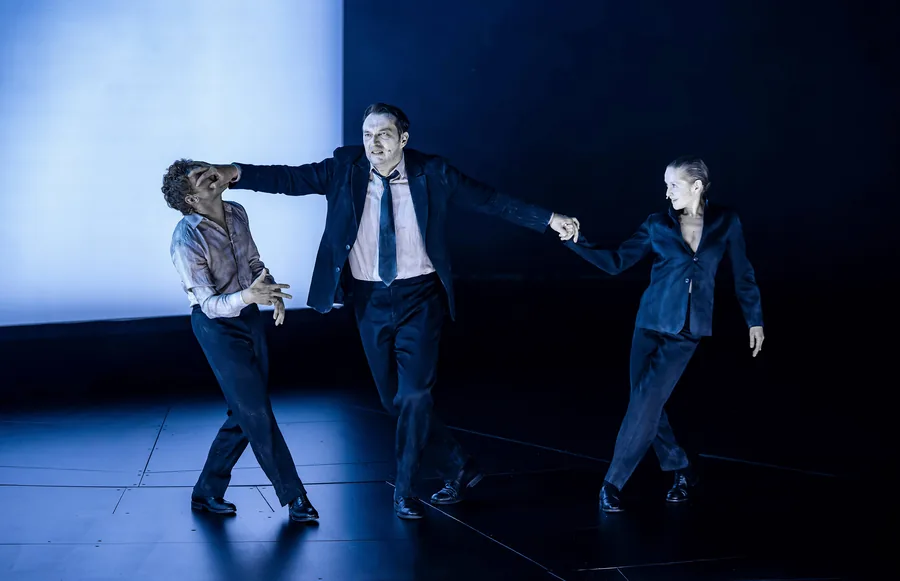
There were 84 concert performances. The Ouverture spirituelle ran under the title Miserere, nine concerts formed a Hommage à György Kurtág, four were devoted to Messiaen, and with Francesca Verunelli the festival began a new series of portrait concerts for contemporary composers. Two artists received the Festspielnadel mit Rubinen: Cecilia Bartoli after her birthday gala of Il viaggio a Reims, and Martha Argerich after her concert with Renaud Capuçon on 21 August. In the lower foyer of the Großes Festspielhaus stood Stravinsky (2026), the last sculpture by Georg Baselitz, a bronze more than three metres long and the only sculpture by the artist with a completely white patina.
Beyond the main stages
The Siemens Festspiel Nächte turned 25: 47 historic and current productions were screened free on the Kapitelplatz and watched by more than 45,000 people. More than 7,600 tickets went to people under 27, the opera camps marked their 20th summer, and the Young Singers Project chose 14 singers from 14 nations out of 1,007 applications. For the first time the festival archive ran a festival of its own, Staging Realities: The Living Archive, with four installations in the UMAK building from 18 to 29 August. The practical side of a visit, from booking to standing places, is on our page about the Salzburger Festspiele.