
Why it exists
Standing places are a nineteenth-century inheritance, kept alive partly through tradition and partly because publicly funded houses have an obligation to be accessible. They are not a consolation prize: at several of the buildings in this guide the standing positions have better sound than expensive seats.
Vienna
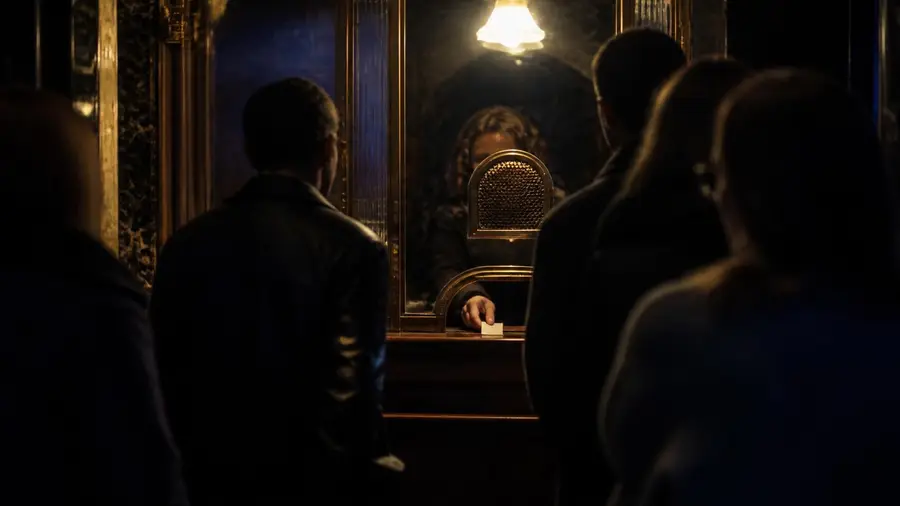
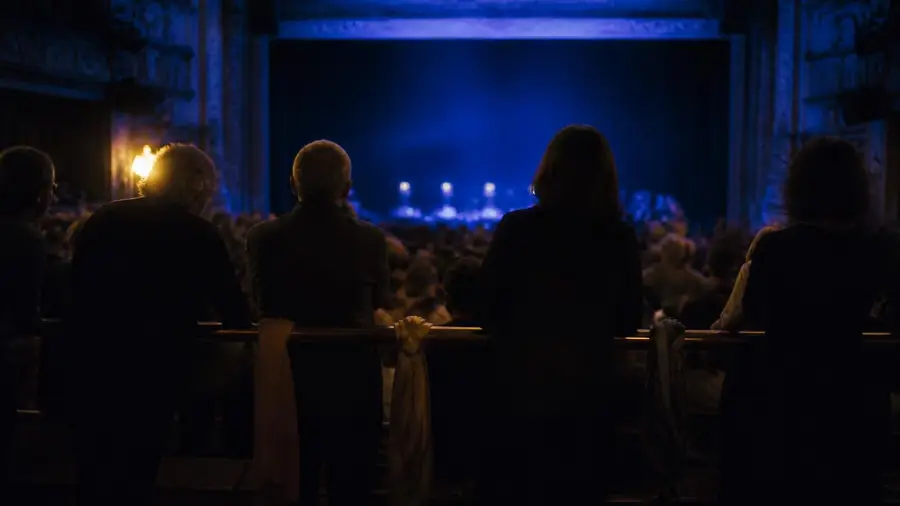
The Staatsoper is the clearest case in the world. Around five hundred places per performance, sold from a dedicated door on Operngasse eighty minutes before curtain, for a few euros. The parterre positions behind the stalls have a full view. Tie a scarf to the brass rail to hold your place through the interval; this is the accepted local method and nobody will move it.
London
Promming at the Royal Albert Hall runs for eight weeks each summer. Around a thousand places a night, sold on the day, standing in the arena a few metres from the orchestra or up in the gallery. It was designed in 1895 to cost about what a pint costs and still does.
Milan and elsewhere
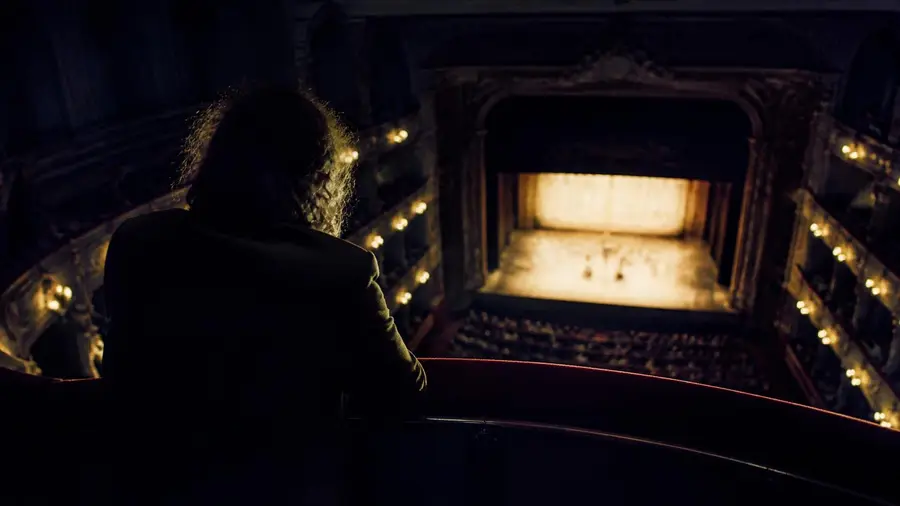
La Scala registers gallery hopefuls two hours before curtain and lets about a hundred and forty in. The Burgtheater and the Musikverein both sell standing places for less than a coffee and a cake.
What it asks of you
Time and legs. Two to four hours upright for an opera, a queue beforehand and no interval seat. In exchange you get the room, the orchestra and the company of the people who know the repertoire best, because the regulars stand.