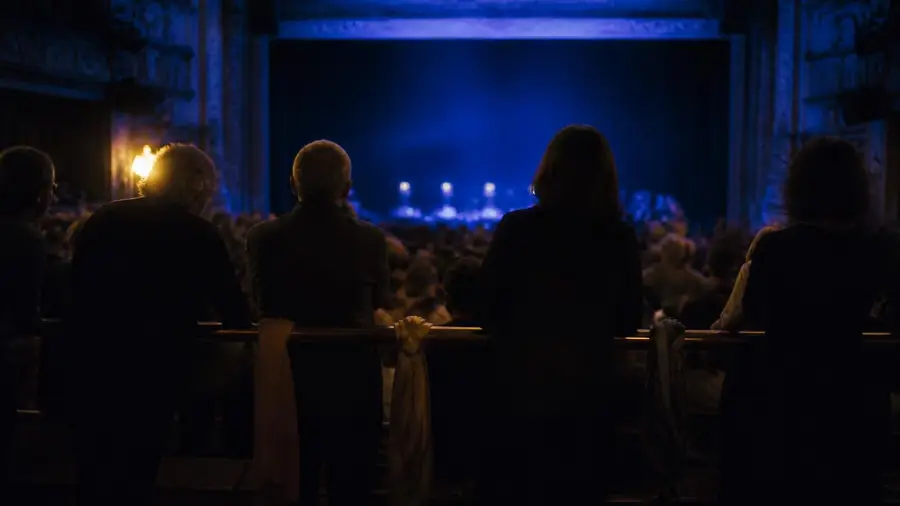

Sold out is a retail statement, not a physical one
When a box office says sold out it means the advance allocation has gone. It does not mean the building will be full, and every experienced house knows that empty seats on the night are worse than cheap ones. What follows is the set of mechanisms they use to fix that, and they are available to anyone who knows they exist.
Standing places
The cheapest serious cultural tickets in the world are standing places at central European opera houses. The Vienna State Opera sells around five hundred of them for every performance, at a price that has been kept deliberately low for political reasons, and they go on sale eighty minutes before curtain at a separate door. La Scala releases about a hundred and forty gallery places two hours ahead. The Royal Albert Hall sells arena places at the Proms on the day, all summer, for the price of a sandwich.
Day seats and returns
British and American theatres release a small number of premium seats each morning at a low price, sold in person at the box office. A queue forms, it is usually good tempered and it is the single most reliable way into a West End or Broadway hit. Returns work differently: they appear an hour before curtain when subscribers and groups hand back what they cannot use, and the people standing at the counter get them.
Lotteries and rush
Digital lotteries opened the system up. Most Broadway hits run one the day before, most cost about forty dollars and the odds across five different shows are reasonable. The Metropolitan Opera sells rush tickets online at noon on weekdays. Enter everything; treat any win as the plan for that evening.
The rules that actually matter
Turn up in person where the mechanism is in person, because the queue is the filter. Have a second and third choice ready, because you will not win the first. And check whether the house releases in batches: the Last Supper in Milan puts tickets out months ahead in blocks that disappear in hours, which is the opposite problem and needs a diary entry rather than a queue.