
Two tickets, two days
The Biennale sells one ticket covering the Giardini and the Arsenale, valid for two entries on separate days. Use both. Doing the Giardini pavilions and the Arsenale in a single day is a mistake almost every first-timer makes and nobody makes twice.
Do the Arsenale first
The Corderie is a three-hundred-metre brick hall holding the curated central exhibition, and it requires more attention than the pavilions. Go on your fresher morning. Save the Giardini for the second day, where you can wander between national pavilions and abandon the ones that bore you without guilt.
The collateral events are the real thing
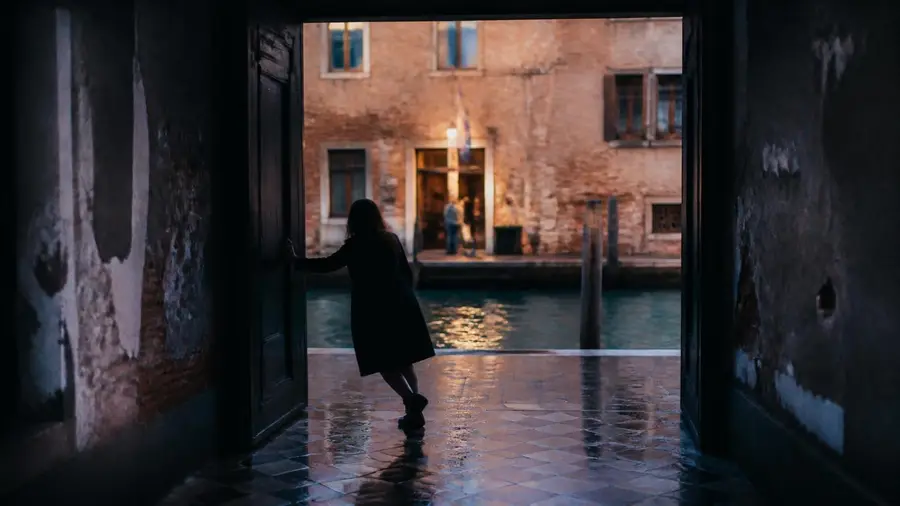
Several hundred exhibitions open across the city in palazzi, churches and courtyards, most of them free, most of them marked only by a small flag. This is where the biennale becomes worth a whole trip: you push a door, sign a book, and find a fifteenth-century room with one artist in it and nobody else.
Timing
The opening weeks in spring are the professional event: crowded, expensive and full of people looking at each other. September and October are better in every way that matters to a visitor, with the same exhibitions, thinner crowds and the best light of the year.
Practical Venice
Stay overnight so the day-visitor charge does not apply, eat away from San Marco, buy a multi-day vaporetto pass if you are moving between islands and accept that you will walk more than your plan suggests. A full biennale day is fifteen kilometres on stone.